The electrical panel serves as the central nervous system of your home, quietly directing power to every light fixture, appliance, and outlet you rely on daily. While it is easy to take this metal box for granted, it is not designed to last forever, and an aging or faulty system can pose significant risks to your property. Recognizing the early symptoms of failure is essential for maintaining a safe and functional living environment. Many homeowners wait until a complete blackout occurs before considering an upgrade, but being proactive can save you from costly emergency repairs and potential fire hazards. This guide will walk you through the subtle and obvious indicators that it is time to prioritize an electrical panel replacement to keep your modern household running smoothly and securely.
Frequent Breaker Trips
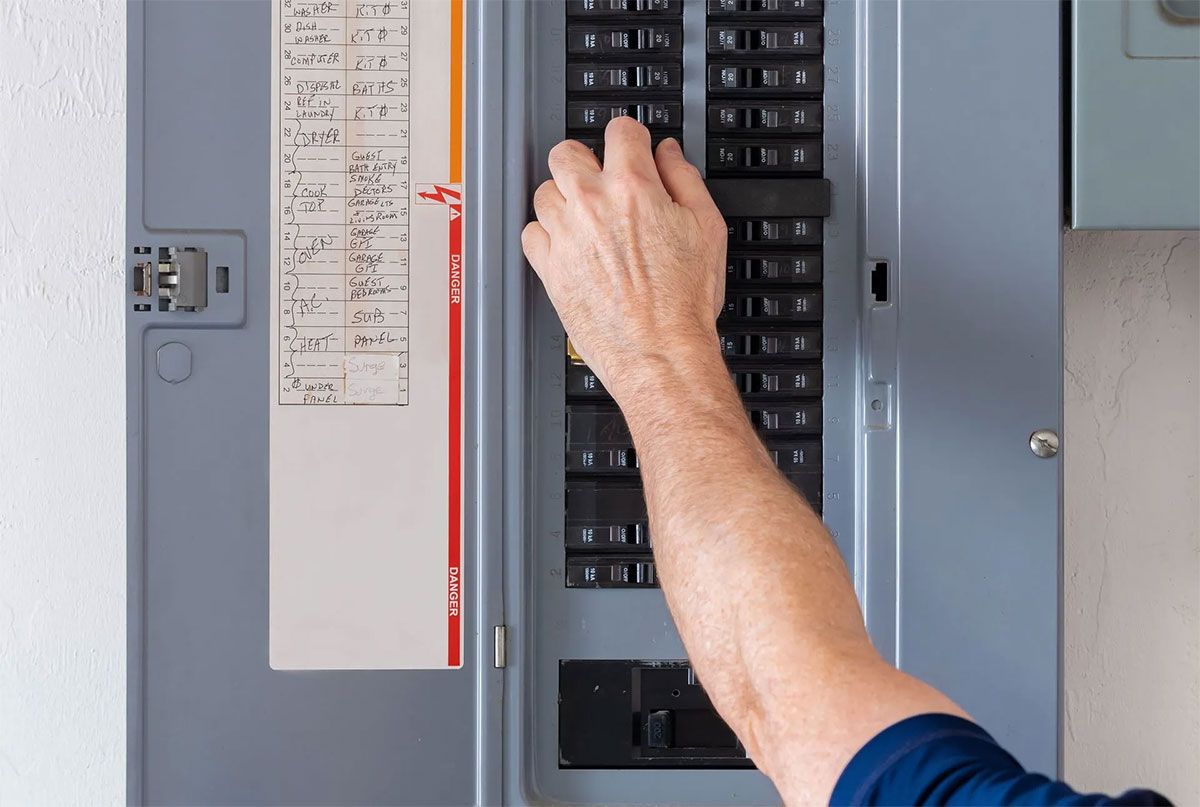
One of the most common signs that your system is struggling involves circuit breakers that frequently flip to the off position. While a breaker is designed to trip to prevent overheating, constant interruptions suggest that your current setup cannot handle the electrical load of your home. If you find yourself walking to the garage or basement multiple times a week to reset a switch, your system is sending a clear message. An electrical panel replacement can provide the necessary capacity to support your modern lifestyle without the frustration of constant power cuts. Ignoring these frequent trips can lead to more severe damage to your home wiring over time.
Flickering or Dimming Lights
Have you ever noticed your lights dimming when the refrigerator kicks on or when you start the microwave? This phenomenon often indicates that your appliances are drawing more power than the circuit can comfortably provide. While it might seem like a minor annoyance, it is a symptom of an undersized or failing distribution hub. When the power flow is inconsistent, it places unnecessary strain on your sensitive electronics and light fixtures. Opting for a professional electrical panel replacement ensures a steady and reliable flow of energy throughout the house. This upgrade eliminates the annoying fluctuations and protects your expensive devices from voltage drops.
Physical Damage
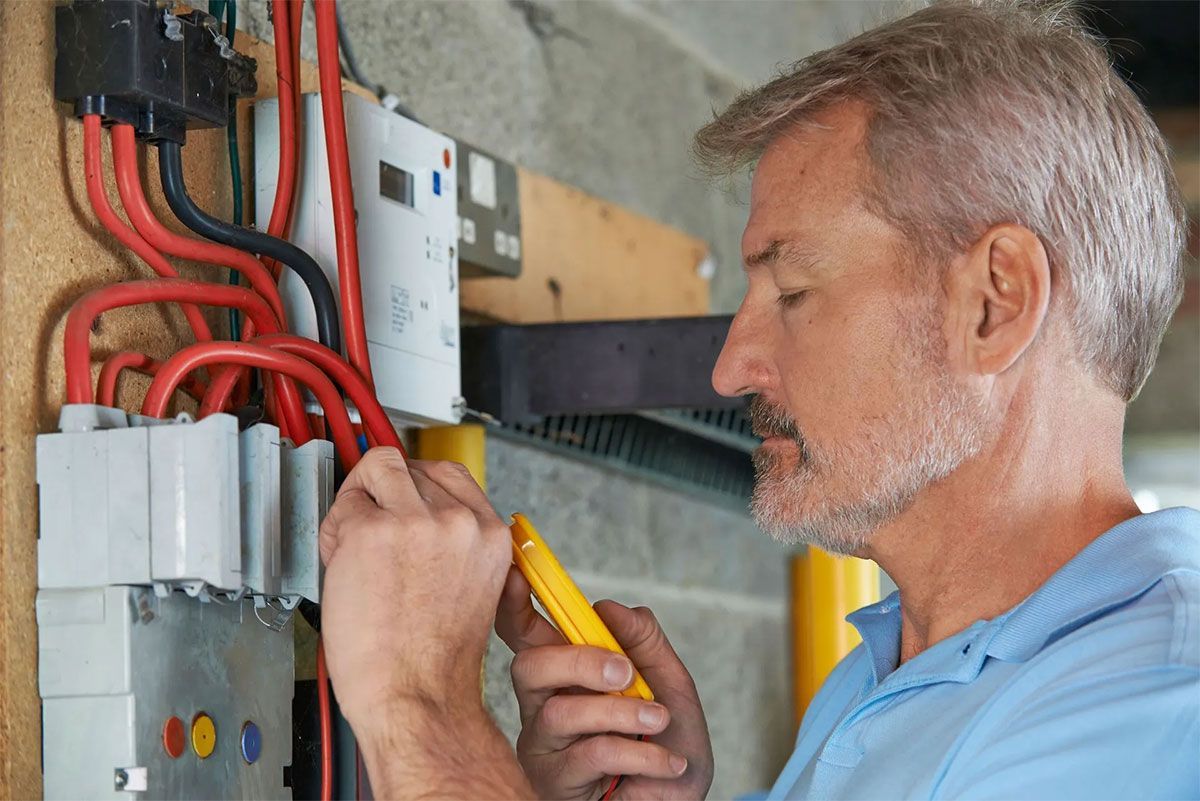
Visible signs of wear and tear on the exterior or interior of the service box should never be ignored. If you see rust, corrosion, or white powdery residue on the breakers, moisture has likely compromised the system. Corrosion increases electrical resistance, which generates excess heat and creates a significant fire risk. A thorough inspection may reveal that an electrical panel replacement is the only safe way to remedy the effects of oxidation. Keeping the heart of your electrical system dry and clean is paramount for long-term safety. If the metal housing looks degraded, the internal components are likely in a similar state of decline.
Strange Noises Coming From the Box
A healthy electrical system should operate in near silence, so any buzzing, hissing, or popping sounds are immediate red flags. These noises often indicate a loose connection or a faulty breaker that is struggling to maintain a consistent flow of electricity. Arcing, which occurs when electricity jumps between connections, can produce these sounds and create extreme temperatures behind the panel cover. Scheduling an electrical panel replacement is a critical step when your system starts making its presence known through sound. These acoustic warnings are often the final stage before a significant mechanical failure or a localized fire occurs.
Burning Smells
If you detect a faint scent of ozone or burning plastic near your service area, you must act quickly. This odor usually indicates that the insulation on the wires is melting due to excessive heat or short-circuiting. Burning smells are a direct indicator that the system is no longer capable of safely containing the electrical energy passing through it. In such cases, an electrical panel replacement is typically an urgent necessity to prevent a residential fire. This is a situation where professional intervention is required to assess the extent of the damage. Smell is often one of the most reliable senses for detecting hidden electrical dangers before they become visible.
Heavily Relying on Power Strips
If your home is filled with a web of extension cords and power strips, it is a sign that your original electrical design is outdated. Older systems were built for a time when families used far fewer electronic devices than they do today. Overloading a single outlet with multiple adapters puts a heavy burden on the circuit and the main distribution point. An electrical panel replacement allows for the addition of new circuits, providing more outlets and a safer distribution of power. This modernization reduces the clutter of cords and ensures that your home meets current safety codes. Properly distributed power is a hallmark of a well-maintained and updated home.
Preventative Care
Maintaining the integrity of your electrical infrastructure is about more than just reacting to failures; it is about proactive management. According to the United States Department of Energy, preventative maintenance on electrical equipment and machinery can result in 35% to 45% less downtime. Applying this logic to your home means that an electrical panel replacement can prevent long periods without power and the associated stress of emergency repairs. By upgrading before a total failure happens, you maintain control over the timing and cost of the project. Regular check-ups help identify the exact moment when a full upgrade becomes the most logical financial and safety decision.
Hot to the Touch
Your electrical panel should never feel warm or hot when you touch the cover or the breakers. Excessive heat is a clear sign of an overload or a poor connection that is generating dangerous levels of thermal energy. While the breakers are designed to stop the flow of electricity, they can sometimes fail to trip even when they are overheating. Feeling heat through the metal door is a serious warning that an electrical panel replacement is needed to protect the structural integrity of your home. Professional electricians use thermal imaging to identify these hot spots, but if you can feel it with your hand, the problem is already advanced. Cooling down the system starts with installing modern, efficient components.
System Age Over Twenty Years
Even if you haven't noticed specific symptoms, the age of your equipment is a major factor in its reliability. Most electrical components have a functional lifespan of two to three decades before the materials begin to degrade naturally. If your home still uses a fuse box or a panel from a manufacturer that is no longer in business, it is time for a change. An electrical panel replacement brings your home into compliance with modern building codes and safety regulations. Older panels often lack the advanced grounding and surge protection features found in contemporary models. Staying ahead of the aging process is one of the most effective ways to ensure your family's safety.
Your home's electrical system is a vital asset that requires attention and respect to remain safe. Recognizing the signs of an aging or overloaded system—from flickering lights to unusual sounds—allows you to take action before a minor issue turns into a dangerous emergency. Investing in an
electrical panel replacement is a significant step toward modernizing your property and protecting your household from the risks of outdated technology. By prioritizing the health of your electrical infrastructure, you ensure that your home can handle the demands of today and tomorrow. A reliable power supply is the backbone of a comfortable and secure life. When you listen to the warning signs your home is giving you, you can move forward with the confidence that your electrical foundation is solid.
If you suspect your home is due for an upgrade, contact Slater Electric LLC to ensure your electrical system is safe, efficient, and ready for the future.