July 26, 2026
In an increasingly power-reliant world, generator installation has become essential for both residential and commercial settings. However, improper installation of these devices can significantly contribute to noise pollution, affecting both human health and the environment. This article explores the importance of proper generator installation and how it helps manage noise pollution effectively.
Understanding Noise Pollution
The Definition of Noise Pollution
Noise pollution is generally described as unwanted or harmful outdoor sound created by human activities, including noise from transport, industrial, and recreational activities. Unlike other kinds of pollution, noise does not affect the environment in a visible way, but its effects on human and animal life can be profound. It is a pervasive problem, particularly in urban areas, leading to detrimental effects on well-being and quality of life.
Because noise pollution is not easy to quantify in the same way as other forms of pollution, it can often be overlooked. However, its potential to cause harm is significant, influencing physical and mental health. Recognizing its definitions allows for a better understanding of its impacts and the necessity for interventions.
The definitions may vary slightly from one source to another, but the core idea is the same: excessive and harmful noise impacts living organisms and the environments in which they reside. In addressing noise pollution, comprehension of its definition provides the first step in devising sound management strategies. Hence, it becomes pivotal in mitigating its adverse impacts effectively.
Common Sources of Noise Pollution
Common sources of noise pollution include transportation systems such as motor vehicles, airplanes, and trains. Industrial operations and construction activities also contribute significantly to unwanted noise in urban and rural areas. Additionally, household appliances and factory expirations contribute to the ambient noise levels in certain environments.
Within urban environments, road traffic is typically considered one of the largest sources of noise pollution. Blaring vehicle horns and the constant sound of engines contribute to a high-decibel environment. Similarly, construction work, which includes the operation of heavy machinery and tools, contributes substantially to the rising levels of noise pollution.
Furthermore, recreational activities like music concerts and sports events also add to noise pollution. Given the increasing use of electronic devices and generator installation in homes and businesses, it is clear that there is an urgent need to address the noise pollution problem comprehensively to protect human health and the environment. Each source plays a role in elevating ambient noise levels, thus presenting challenges for effective noise management.
The Role of Generators in Noise Pollution
Types of Generators and Their Noise Levels
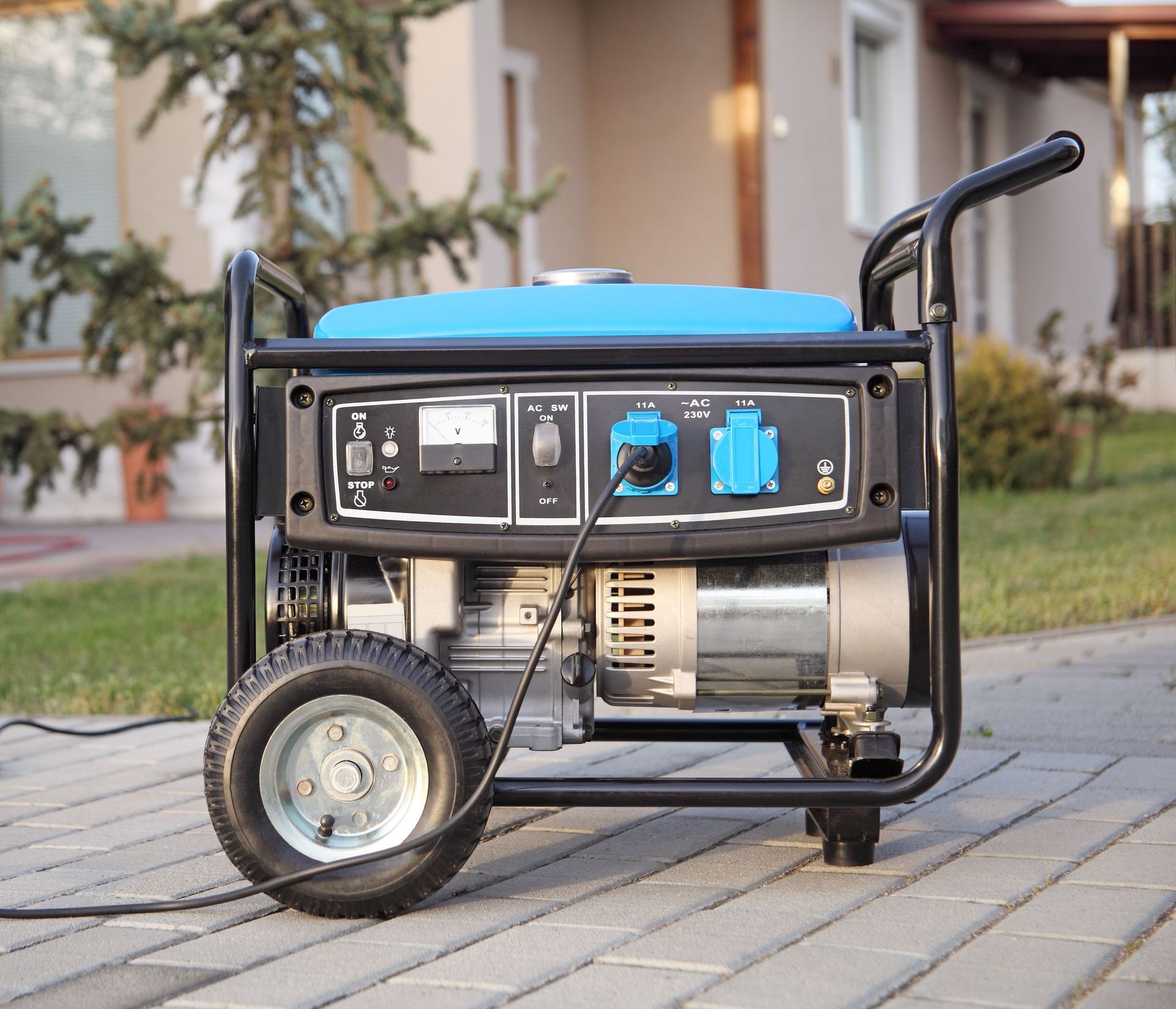
Generators vary widely in their noise output depending on their type, size, and power capacity. Portable generators, often used for recreational purposes or small-scale power needs, generally produce less noise compared to larger standby or industrial generators. Despite this, even small generators can be a significant source of noise exposure in residential settings.
According to Homeguide, most generators produce noise levels between 60 to 70 decibels (dB) from 25 feet away — levels comparable to a central air conditioner. These noise levels can be disruptive in quiet suburban neighborhoods or environments where silence is essential. Thus, understanding the differences between generator models and their sound profiles is crucial for mitigating noise pollution effectively.
Newer models aim to reduce noise output through advanced technology and design innovations. Many contemporary generators incorporate sound-dampening materials and innovative exhaust systems to diminish noise levels significantly. By choosing quieter generator models, users can make a positive impact on their noise footprint and contribute to a more harmonious community soundscape.
How Generators Contribute to Noise Pollution
Generators have become indispensable in providing backup power during outages and supporting operations in off-grid locations. However, when improperly installed or maintained, they can be a major source of noise pollution in residential and industrial areas. Their operation, often during nighttime or during emergencies, can disrupt the peace and quietness of neighborhoods.
The noise emitted from generators is mainly due to their mechanical operation and exhaust system. Poor installation practices, such as inadequate soundproofing or placement near residential areas, exacerbate the noise issue. Without proper mitigation strategies, continuous generator operation can lead to long-term noise pollution problems for businesses and homeowners alike.
As generators become increasingly common, their noise pollution contribution has gained more attention. Addressing it involves more than simply installing a generator; it requires implementing strategies and technologies designed to minimize noise emissions. When paired with regulatory compliance, effective management of generator installation noise can significantly reduce its impact on the environment and community wellness.
Real-World Examples of Generator-Related Noise Issues
Case studies from various locales highlight the challenges and solutions associated with generator-related noise issues. In some urban areas, residents have launched complaints against businesses operating noisy generators, citing disruptions to daily life and heightened stress levels. These situations often arise from poor generator placement or lack of adequate noise mitigation measures.
Such instances have led to legal disputes and forced some businesses to pay fines or invest in costly retrospective noise reduction solutions. While some issues are resolved through community engagement and negotiation, others necessitate stricter regulatory enforcement. These real-world cases underline the necessity of addressing noise concerns proactively during generator installation and operation.
By learning from these examples, stakeholders can develop effective policies and strategies for managing generator noise. Incorporating public input and prioritizing noise reduction in generator design and placement can lead to improved outcomes and reduced community conflict. Real-world cases continue to serve as vital lessons in developing comprehensive approaches to mitigating noise pollution.
Public Perception of Generator Noise
Public perception plays a pivotal role in shaping policies and practices for managing generator noise. Community members often express concerns about the continuous operation of noisy generators, particularly in residential or serene natural settings. Addressing these beliefs and attitudes requires clear communication and engagement with stakeholders.
Understanding public perceptions can inform policy makers and businesses about the severity of noise issues within a specific locale. It also helps highlight the importance of noise control measures that harmonize with community expectations and needs. Once stakeholders recognize the broader community’s tolerance levels, they can adopt solutions that minimize disruptions while ensuring adequate power availability.
Engaging with the public and fostering awareness about noise pollution impacts exemplify best practices in generator noise management. Doing so helps bridge the gap between technical solutions and actual community requirements. Moving forward, leveraging public perception will remain integral to developing and implementing effective noise control strategies.
Regulatory Standards for Generator Noise Levels
Regulations concerning generator noise levels vary between countries and regions, but they share a common goal of limiting noise emissions to protect public health and welfare. These standards set permissible noise levels, often stipulating maximum decibel limits for both residential and commercial settings during specific hours. Regulating authorities enforce these standards to ensure compliance and prevent excessive noise disturbances.
Typically, noise regulations are more stringent in residential areas, with lower permissible decibel levels compared to industrial zones. Adherence to these regulations requires careful selection and placement of generators, alongside noise-reduction installations. Regular compliance checks by authorities help maintain sound environments and mitigate conflicts due to noise pollution.
Despite the presence of comprehensive regulatory frameworks, challenges remain in enforcement and public awareness. Collaborative efforts are essential to enhance regulatory compliance and encourage adoption of quieter technical solutions. An ongoing commitment to strengthening regulatory measures reflects society’s dedication to reducing noise pollution impacts from generator operations.
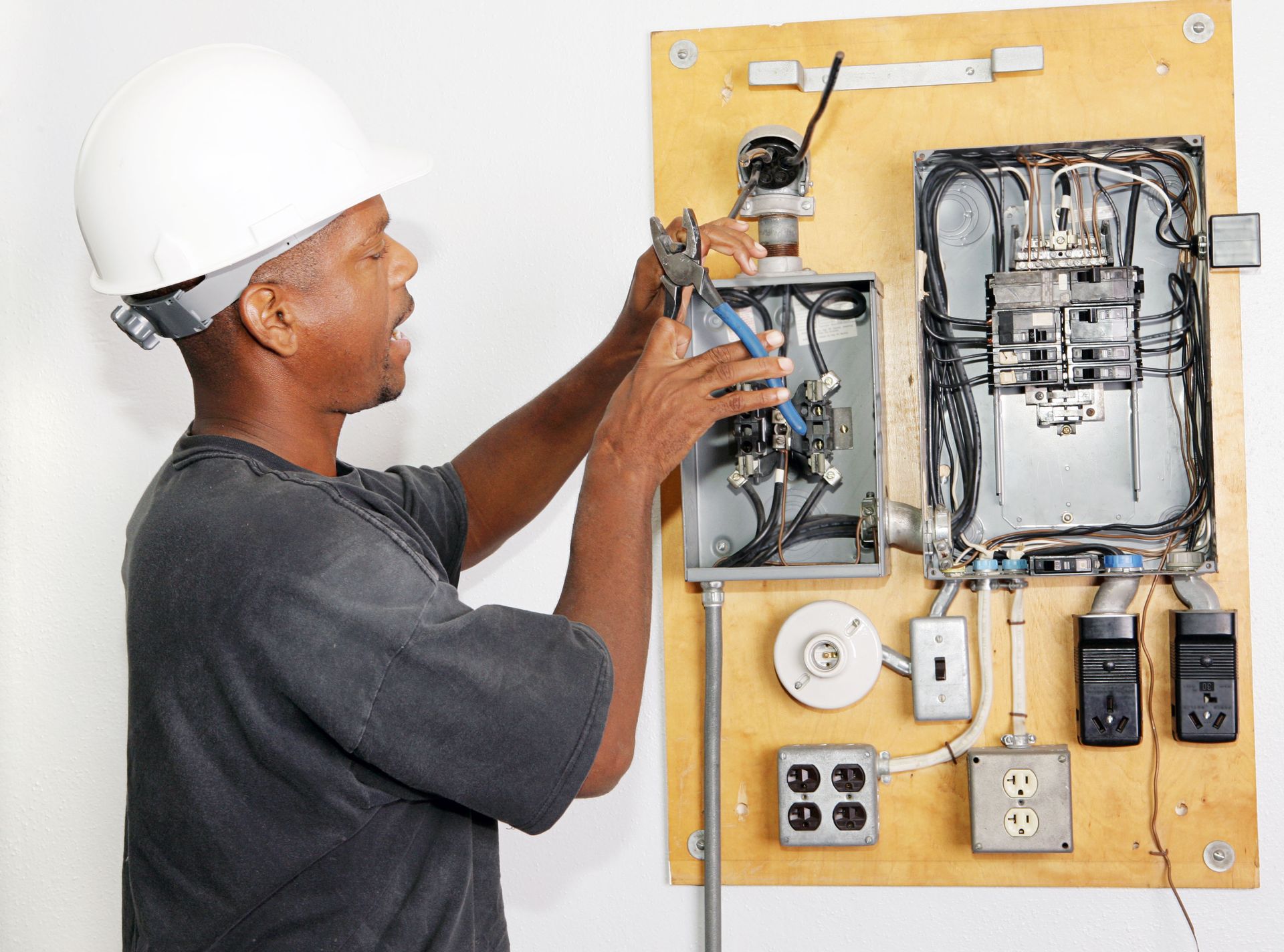
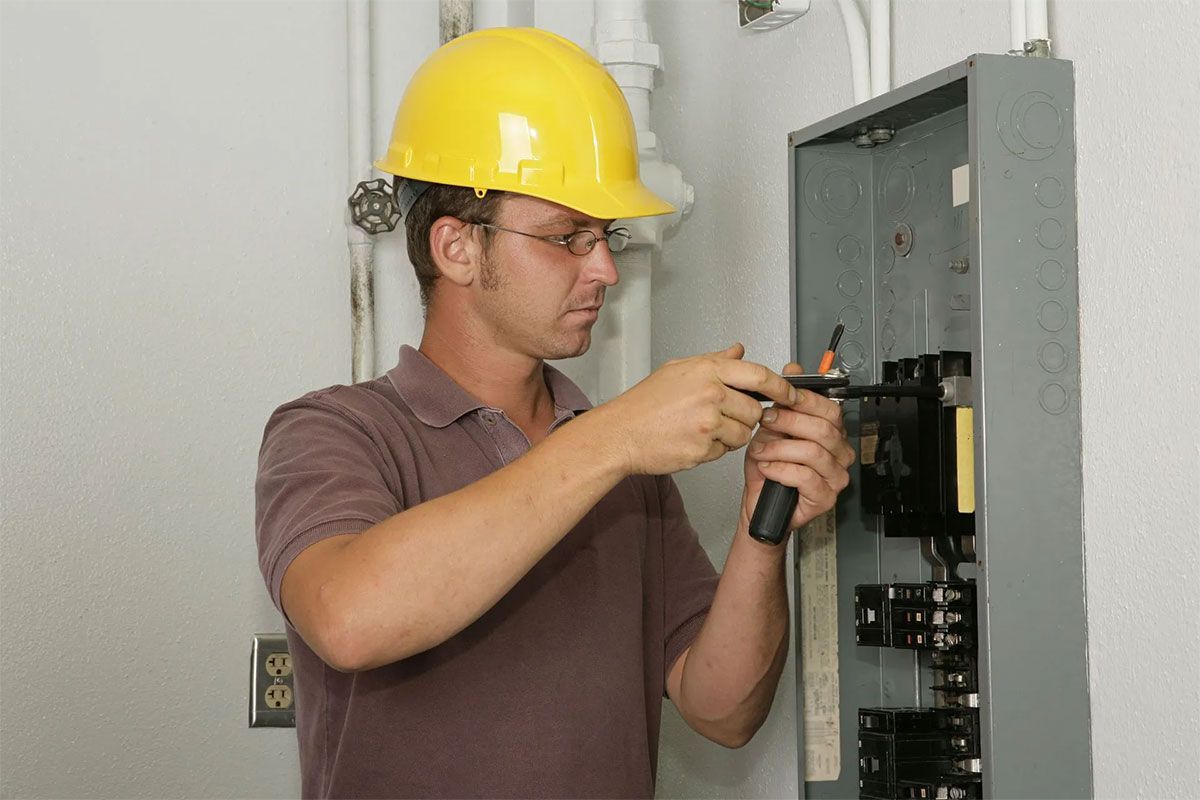
Proper generator installation plays an important role in reducing noise pollution while supporting reliable power for homes, businesses, and industrial settings. By choosing the right location, using sound-dampening materials, following local noise regulations, and working with trained professionals, property owners can limit disruptions and create a safer, quieter environment. A thoughtful approach to generator installation also helps protect nearby residents, workers, wildlife, and surrounding communities from unnecessary sound exposure.
As generator use continues to grow, noise management should be considered from the very beginning of every project. Professional generator installation allows each system to be placed, secured, and supported in a way that improves performance while reducing unwanted noise. With careful planning, ongoing maintenance, and smart noise-reduction strategies, generators can provide dependable backup power without creating avoidable noise concerns. Call Slater Electric LLC today to learn more.