Maximizing Efficiency With Modern Commercial Electrical Services
This is a subtitle for your new post
In today's fast-paced business environment, maximizing efficiency is crucial for commercial operations. Providing a reliable power source is just the beginning; the real value lies in the strategic application of technology to reduce waste. High-quality electric services ensure that every component of an office—from the specialized servers in the data room to the smart coffee machine in the breakroom—functions without interruption. By focusing on a holistic view of power management, companies can transform their utility costs from a fixed burden into a manageable, optimized asset.
Understand the Role of Electrical Systems
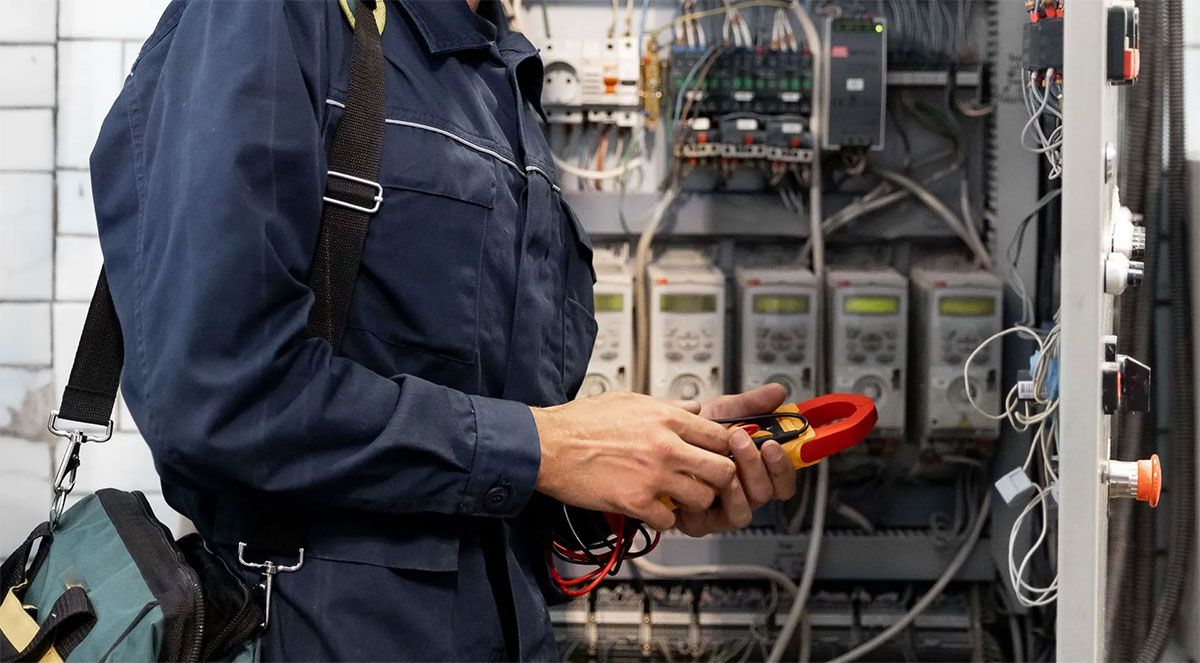
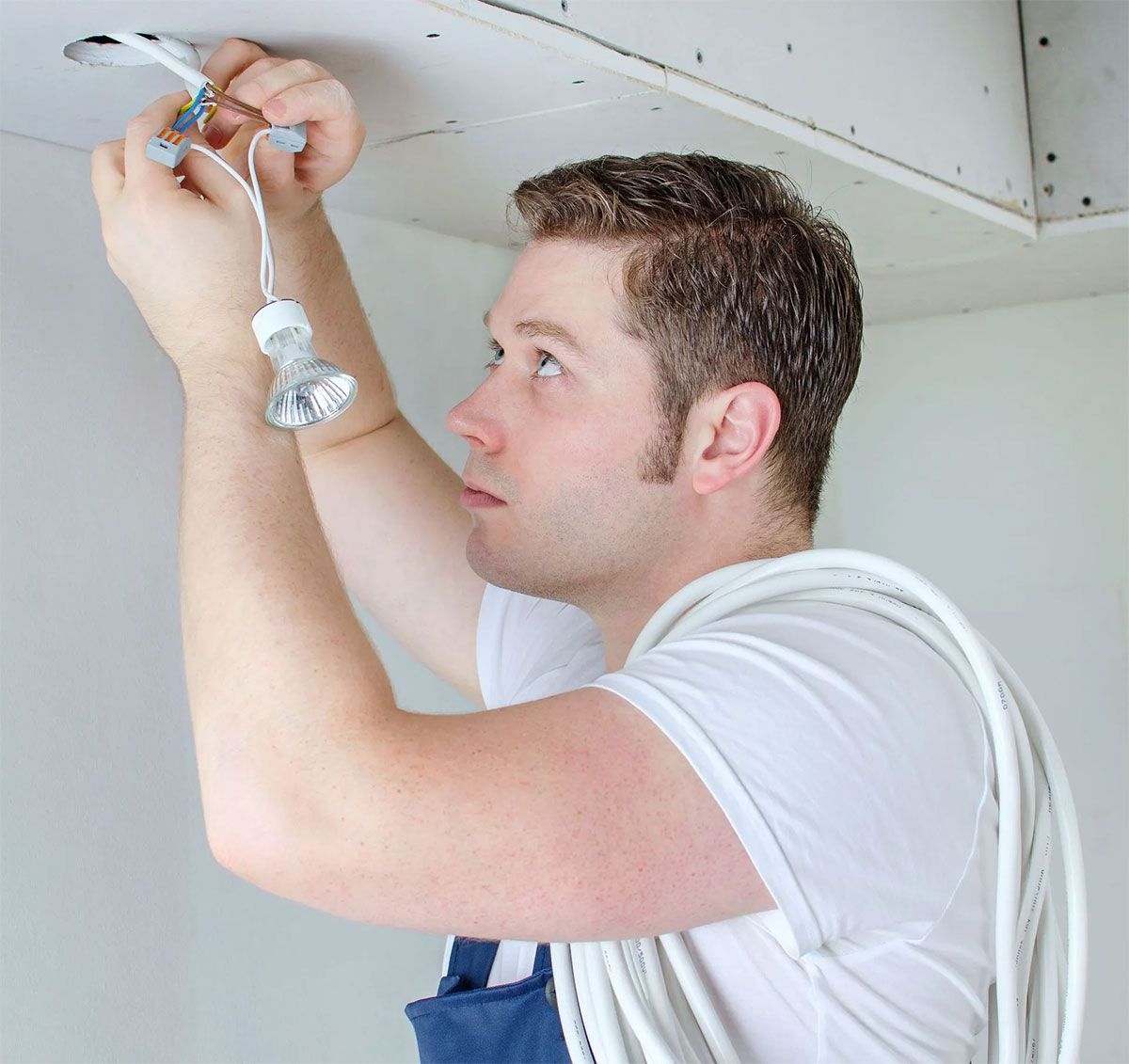
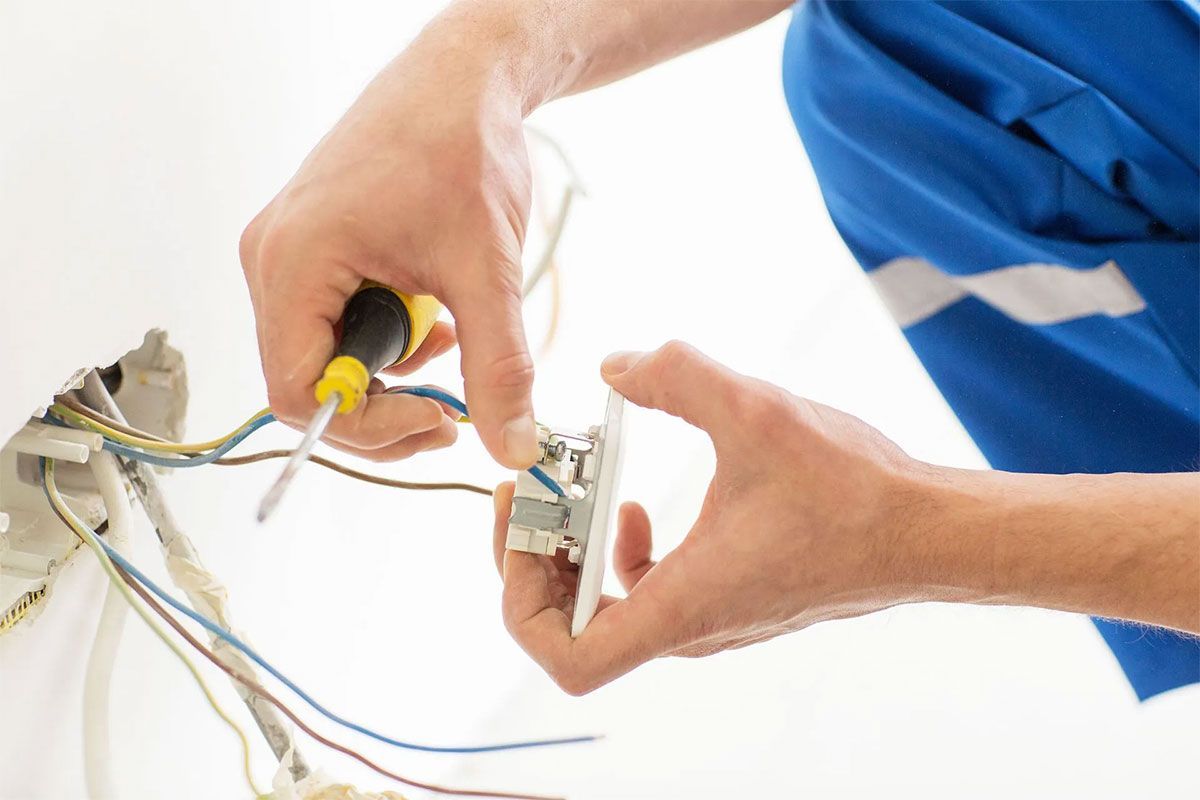
Electrical systems are fundamental to business operations, influencing both daily activities and long-term strategies. An effective electrical infrastructure ensures seamless operation, minimizing downtime and maximizing productivity. Commercial electric services cover a broad spectrum, from wiring installations to power distribution and maintenance tasks. These systems also incorporate essential elements like lighting, HVAC systems, and technology frameworks. In an era where precision and efficiency are critical, modern power solutions are indispensable for sustaining business growth. Strategic design ensures that systems are both efficient and scalable, while the selection of high-quality components is essential to maintaining robust operations.
Today's service providers offer comprehensive solutions tailored to the unique needs of modern businesses. These firms engage in design, installation, and maintenance, ensuring that all electrical components function optimally. Their expertise in modern technologies equips them to handle ever-evolving demands such as integration with digital systems and energy compliance. Reliable providers offer scalable solutions that can grow alongside a business, adapting to new challenges and innovations as they emerge. Choosing a reputable provider can significantly impact an organization's operational capabilities. Safety remains a priority, and adhering to industry standards prevents legal liabilities while protecting the workforce and infrastructure.
Adopt Innovations in Modern Technology
Energy-efficient lighting represents a cornerstone of contemporary power solutions, profoundly influencing workplace productivity and employee health. According to Research and Markets, the commercial lighting sector reached USD 17.07 billion in 2024 and is on track to hit USD 27.38 billion by 2030. These setups utilize advanced LED components to create adaptable environments that meet specific operational needs without the need for manual overrides. High-efficiency lighting reduces power draw while simultaneously improving the visual quality and functionality of a professional workspace. Modern electric services often prioritize these high-performance lighting designs as a primary strategy for reducing overhead costs and improving environmental impact.
Cutting-edge energy management systems offer a comprehensive method for tracking and optimizing power consumption across an entire facility. These tools integrate directly with electrical infrastructures to analyze usage patterns and pinpoint specific areas where energy waste occurs. Real-time data streams and analytics allow leadership to make data-driven decisions that minimize waste and bolster sustainability efforts. Advanced EMS platforms frequently incorporate automated control features that modify settings based on the time of day or physical occupancy.
Perform Detailed Energy Efficiency Assessments
Conducting an energy audit is an essential step in identifying and implementing energy efficiency measures. The process involves a comprehensive inspection of current systems, including lighting, HVAC, and machinery efficiency. Audits assess consumption patterns, identifying peaks and inefficiencies to pinpoint areas for improvement. Engaging professional electric services for these audits provides useful insights and tailored recommendations for optimizing energy use. An energy audit often reveals numerous opportunities to improve efficiency and cut costs, such as upgrading outdated equipment or optimizing HVAC settings. Simple changes can yield immediate savings, while further investments like renewable energy integration offer long-term solutions.
Benchmarking energy usage is another critical component of effective energy management. This involves comparing a business's energy consumption against industry standards or previous performance metrics to track progress. These insights support strategic planning and facilitate informed decision-making by setting realistic goals for future energy efficiency endeavors. Implementing recommendations from an energy audit involves a structured approach to enhancing efficiency. Businesses should prioritize initiatives based on potential impact, costs, and feasibility. Collaboration with experienced providers can aid in the seamless integration of new systems. Constant monitoring and maintenance are essential to sustain gains, using technology to set up automated alerts for anomalies.
Develop Strategic and Sustainable Infrastructure
The planning phase of designing electrical systems sets the foundation for operational success. Strategic design involves assessing business needs, projected growth, and technological trends to ensure scalability. Integrating energy-efficient systems from the outset positions businesses favorably for future updates and innovations. Detailed schematics allow for precise installations, minimizing waste and ensuring compatibility between all hardware. An emphasis on strategic foresight ensures that electrical systems remain relevant and functional as business needs evolve. Well-chosen components form the backbone of a resilient and efficient commercial infrastructure, which is why top-tier electric services emphasize quality over temporary cost savings.
Integration of modern technologies is essential for creating state-of-the-art electrical systems. This involves incorporating smart technology, renewable energy solutions, and intelligent automation through meticulous planning. These technologies not only optimize current operations but also prepare businesses for future advancements in electrical efficiency. Sustainability in electrical design is no longer optional; it is a necessity for modern brands. Designing systems with sustainability in mind involves using materials and methods that minimize environmental impact. Sustainable practices also include lifecycle assessments to ensure that systems remain efficient and reduce waste over time. By prioritizing sustainability, businesses align with global efforts to combat climate change and reduce resource consumption.
Maintain Systems for Long-Term Performance
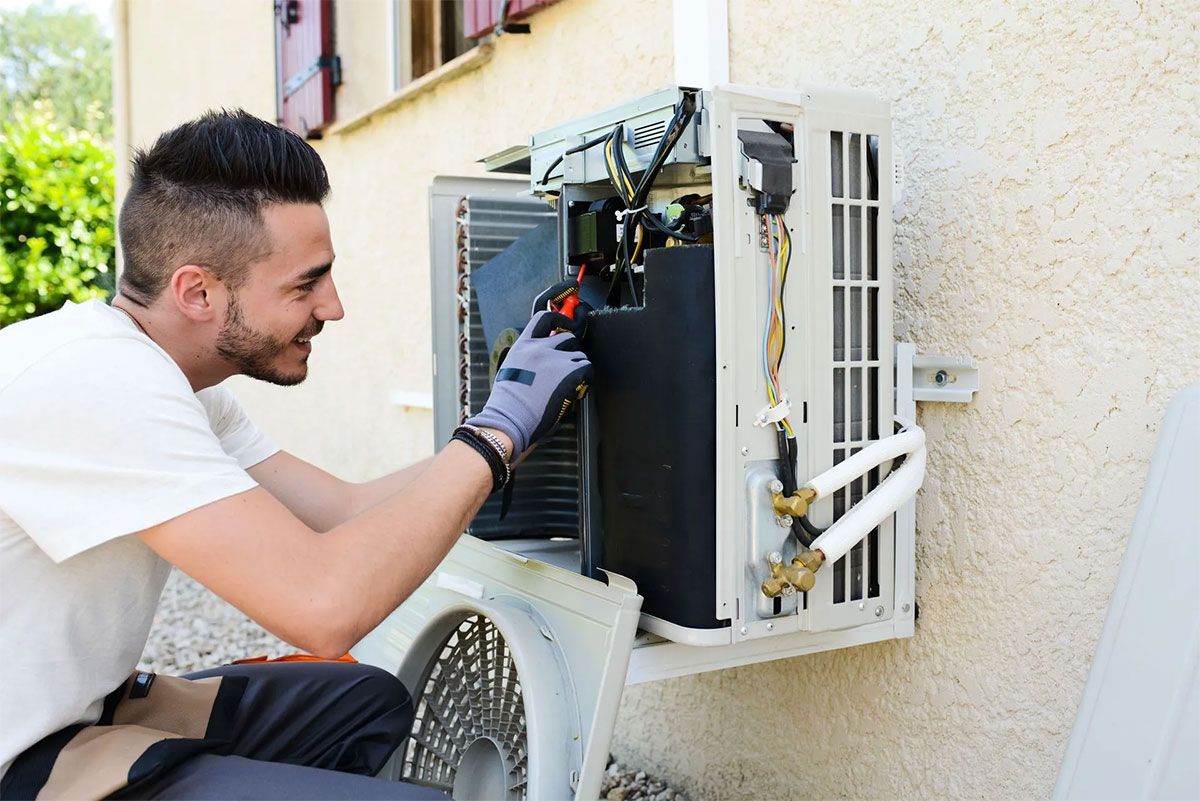
Routine maintenance is essential for sustaining the performance and lifespan of electrical systems. Scheduled inspections help identify potential issues before they escalate, ensuring ongoing operational efficiency. Professional electric services offer tailored maintenance plans, addressing specific requirements of varied systems and technologies. Regular maintenance not only prevents costly downtimes but also enhances safety by checking for compliance with safety standards. A proactive approach to maintenance safeguards investments and ensures a significant return on them over the life of the building.
Investing in upgrades ensures that electrical systems remain compatible with the latest technological innovations. As new solutions become available, businesses that proactively upgrade stay competitive and operationally efficient. Upgrades might involve integrating smart technologies, adopting renewable energy solutions, or enhancing energy management systems. Staff training is a critical component of effective management, as skilled staff can troubleshoot minor issues and ensure adherence to safety protocols. Collaborative training resources enhance both knowledge and system reliability.
Prepare for Emerging Industry Advancements
The landscape of commercial electric services is ever-evolving, shaped by emerging trends in efficiency technologies. Artificial intelligence and advanced automation systems are at the forefront, providing self-optimizing capabilities. Demand for renewable energy sources remains a significant trend as businesses shift towards sustainability models. Innovations in energy storage, primarily through batteries, are expanding possibilities for managing and preserving excess power. Keeping pace with these trends empowers businesses to navigate future demands with agility and foresight.
Predictive analytics plays an increasingly vital role in managing energy usage, enabling businesses to forecast needs and optimize resources. By analyzing historical and real-time data, predictive models anticipate consumption peaks and identify savings opportunities. These insights allow for strategic planning, ensuring that resources are allocated efficiently and effectively. Leveraging predictive analytics facilitates more precise energy budgeting, contributing to overall cost management.
Modern commercial electric services are integral to enhancing operational efficiency and achieving business goals. By leveraging innovations in technology, optimizing energy use, and prioritizing sustainable practices, businesses can navigate the complexities of modern industry landscapes. Each component of electrical services, from energy audits to system upgrades, plays a pivotal role in supporting productivity and profitability. The synergy of these elements ensures not only immediate benefits but also long-term viability and growth. Contact us at Slater Electric LLC to upgrade your infrastructure today.