Why Businesses Need a Long-Term Electrical Maintenance Plan
This is a subtitle for your new post
Electrical systems power nearly every aspect of modern business operations, from lighting and climate control to production equipment and data infrastructure. Yet many organizations take a reactive approach, only seeking help when something fails. A long-term strategy built around consistent commercial electrical services creates stability, improves safety, and supports sustainable growth. By planning ahead instead of responding to emergencies, businesses position themselves for fewer disruptions and stronger operational performance.
Understand Electrical Maintenance Fundamentals
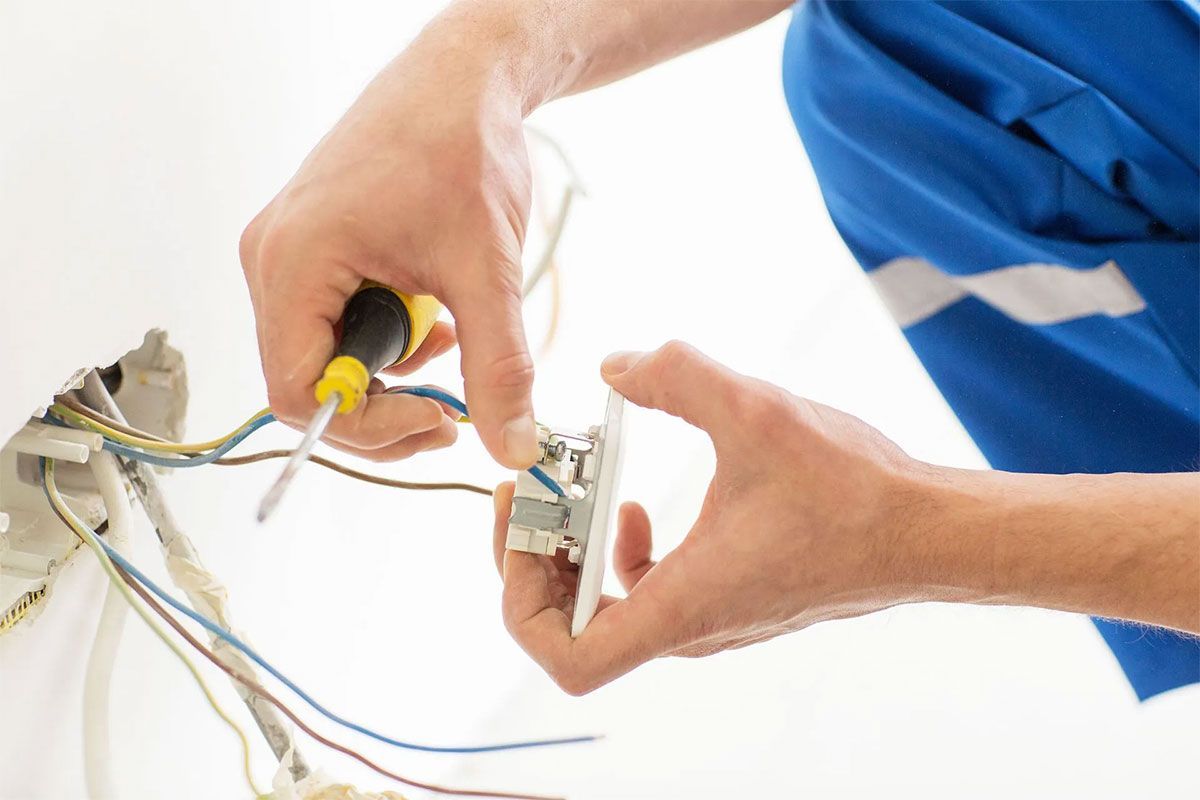
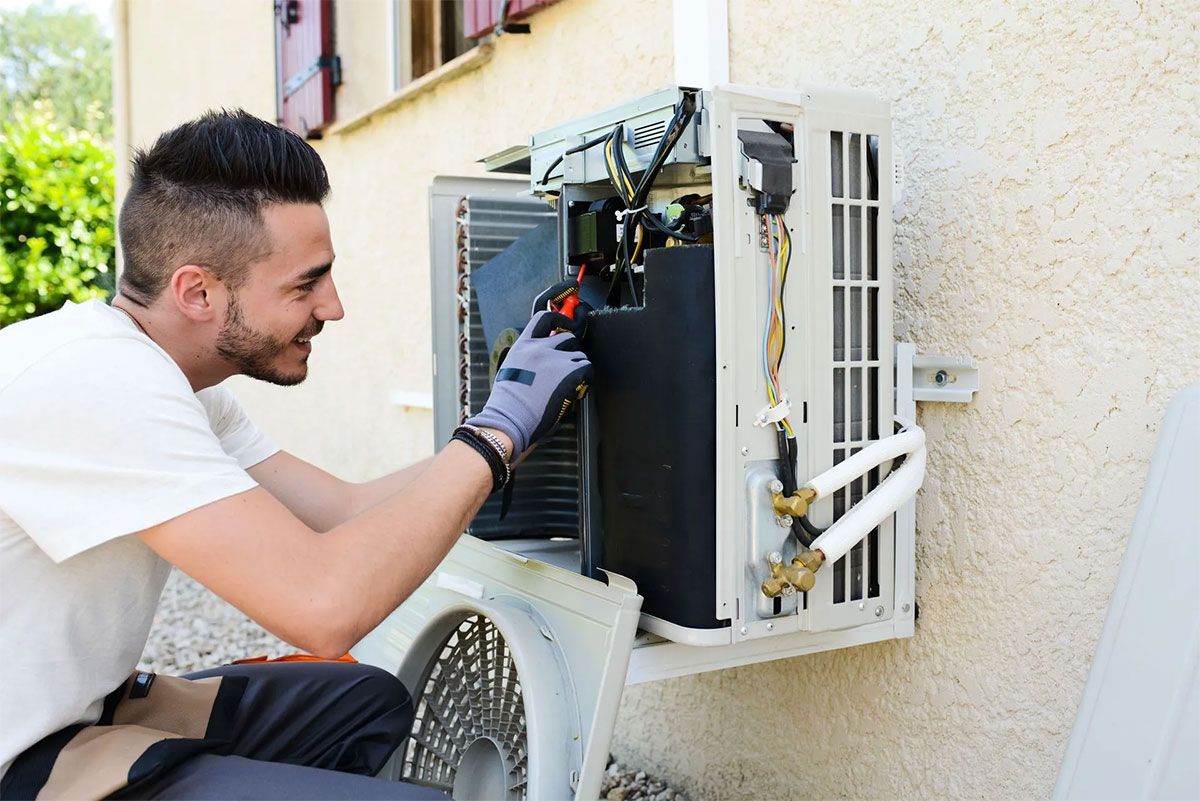
Electrical maintenance involves a structured process of inspecting, testing, servicing, and repairing electrical infrastructure to keep it operating at peak performance. This includes switchboards, wiring, transformers, panels, and distribution systems that support daily operations. When these components are routinely evaluated, small signs of wear can be addressed before they escalate into system-wide failures. Incorporating commercial electrical services into a long-term plan ensures that maintenance is not sporadic but systematic, with clear documentation and accountability.
A proactive approach also distinguishes preventive work from reactive repairs. Preventive maintenance focuses on scheduled evaluations and early corrections, while corrective maintenance addresses breakdowns after they occur. According to the United States Department of Energy, organizations that emphasize preventive care can experience between 35% and 45% less downtime than those relying primarily on reactive repairs. This measurable reduction highlights how structured electrical services contribute directly to operational continuity and financial stability.
Recognize the Long-Term Benefits
One of the most significant advantages of a long-term maintenance plan is extended equipment life. Electrical assets represent a substantial investment, and neglect accelerates deterioration. Routine inspections, cleaning, tightening connections, load testing, and replacing aging components help equipment perform as designed under daily operating demands. Addressing minor issues such as heat buildup, vibration, or corrosion early prevents them from developing into failures that compromise entire systems. Over time, consistent commercial electrical services reduce premature replacements, stabilize system performance, and allow businesses to forecast upgrades more accurately, supporting better capital planning and long-term asset management.
Financial efficiency follows closely behind. Emergency repairs often cost more than scheduled service because they disrupt operations, require expedited labor, and may involve rush-ordered parts. By contrast, a planned maintenance schedule spreads costs predictably across the year and minimizes surprise expenses. Optimized electrical systems also tend to operate more efficiently, reducing unnecessary energy consumption and limiting strain on connected equipment. When commercial electrical services are integrated into a broader operational strategy, businesses benefit from lower repair expenses, fewer production interruptions, improved budgeting control, and greater confidence in their financial projections.
Improve Workplace Safety and Compliance
Electrical hazards pose serious risks to employees, customers, and property. Faulty wiring, overloaded circuits, and neglected equipment increase the likelihood of fires, shocks, and other dangerous incidents. A long-term maintenance plan addresses these vulnerabilities before they result in harm. Through scheduled assessments and safety checks, commercial electrical services help identify outdated components and ensure systems meet current standards.
Compliance is equally important. Regulatory bodies require businesses to adhere to safety codes and industry guidelines. Failure to maintain systems properly can lead to fines, legal exposure, or even temporary shutdowns. By documenting inspections and corrective actions, businesses demonstrate due diligence and commitment to safe operations. Reliable electrical services support consistent compliance, protecting both reputation and financial health while reinforcing a culture of responsibility.
Prevent Operational Disruptions
Unplanned outages disrupt productivity, delay projects, and strain customer relationships. Even brief interruptions can create ripple effects across supply chains, delivery timelines, and internal workflows. When production lines stop or critical systems go offline, employees are left waiting, deadlines are missed, and service commitments become harder to fulfill. Without a structured plan, minor electrical issues—such as fluctuating voltage, overloaded circuits, or worn components—may go unnoticed until they trigger significant downtime. Implementing routine commercial electrical services introduces consistent inspections and performance testing that identify irregularities early, reducing the likelihood of unexpected breakdowns and giving leadership time to respond proactively rather than react under pressure.
Escalating repair costs are another consequence of neglect. Small issues, such as loose connections, minor insulation damage, or failing breakers, can gradually compromise larger systems if they are not corrected promptly. What begins as a simple adjustment can evolve into equipment failure requiring extensive repairs or full replacement. Emergency replacements and urgent labor often carry higher expenses than scheduled maintenance, particularly when operations must pause while waiting for parts or technicians. By investing in preventive commercial electrical services, businesses reduce the need for last-minute interventions, protect surrounding equipment from collateral damage, and gain a more predictable financial outlook. This consistency strengthens long-term planning, preserves cash flow stability, and reinforces overall operational resilience.
Develop a Strategic Maintenance Framework
Creating an effective maintenance strategy begins with a thorough assessment of existing electrical infrastructure. Evaluating panels, circuits, and connected equipment establishes a baseline for performance and identifies areas of vulnerability. From there, businesses can define clear objectives aligned with operational goals, whether improving reliability, increasing efficiency, or enhancing safety standards. Partnering with providers of commercial electrical services ensures that assessments are comprehensive and aligned with industry best practices.
Scheduling is the backbone of any successful plan. Establishing consistent inspection intervals prevents oversight and maintains accountability. Modern tools, including digital monitoring systems and predictive diagnostics, further enhance visibility into system performance. Integrating technology with electrical services allows businesses to track patterns, anticipate wear, and adjust schedules as operational needs evolve. A dynamic framework ensures maintenance efforts remain relevant and effective over time.
Implement and Support the Plan
Execution requires skilled personnel, appropriate tools, and strong communication. Maintenance teams must understand current codes, emerging technologies, and safety protocols. Ongoing training ensures that staff remain prepared to address evolving electrical demands. When businesses collaborate with experienced commercial electrical services providers, they gain access to specialized expertise and advanced diagnostic equipment that may not be available internally.
Clear documentation and resource allocation also support successful implementation. Recording inspection results, repairs, and recommendations creates a transparent maintenance history that guides future decisions. Efficient budgeting ensures that maintenance activities receive consistent funding rather than being deferred during tight financial periods. By embedding electrical services into standard operating procedures, organizations reinforce the importance of proactive care and long-term planning.
Learn From Industry Experience
Across industries, companies that prioritize preventive maintenance consistently report stronger operational outcomes. Facilities that adopt structured electrical plans often experience fewer shutdowns, steadier production schedules, and improved asset performance. These results stem from early detection of issues and timely intervention, both of which are central to effective commercial electrical services.
Conversely, organizations that neglect maintenance frequently encounter recurring failures and mounting repair bills. Reactive responses may temporarily resolve problems, but they rarely address root causes. Over time, this cycle erodes productivity and increases liability exposure. Learning from these patterns underscores the importance of committing to consistent electrical services rather than viewing maintenance as an optional expense.
A long-term electrical maintenance plan is not simply a technical requirement; it is a strategic investment in reliability, safety, and financial performance. By shifting from reactive repairs to preventive action, businesses reduce downtime, protect employees, and extend the life of critical infrastructure. Structured commercial electrical services provide the expertise, documentation, and consistency necessary to sustain operations in an increasingly demanding environment. If you are ready to strengthen your facility’s performance and safeguard your future, contact Slater Electric LLC today. Together, we can build a maintenance plan that supports lasting success.