How to Know When Your Business Needs an Electrical System Upgrade
This is a subtitle for your new post
An aging or inadequate electrical system can have significant impacts on your business operations, leading to inefficiencies, safety hazards, and potential downtime. Knowing when to upgrade is crucial for maintaining a safe and productive workplace. This article will guide you through the signs that indicate a need for an electrical system upgrade and how to approach the process efficiently with the support of a commercial electrical contractor.
Understanding the Signs of an Overburdened Electrical System
Experiencing Frequent Circuit Breaker Trips
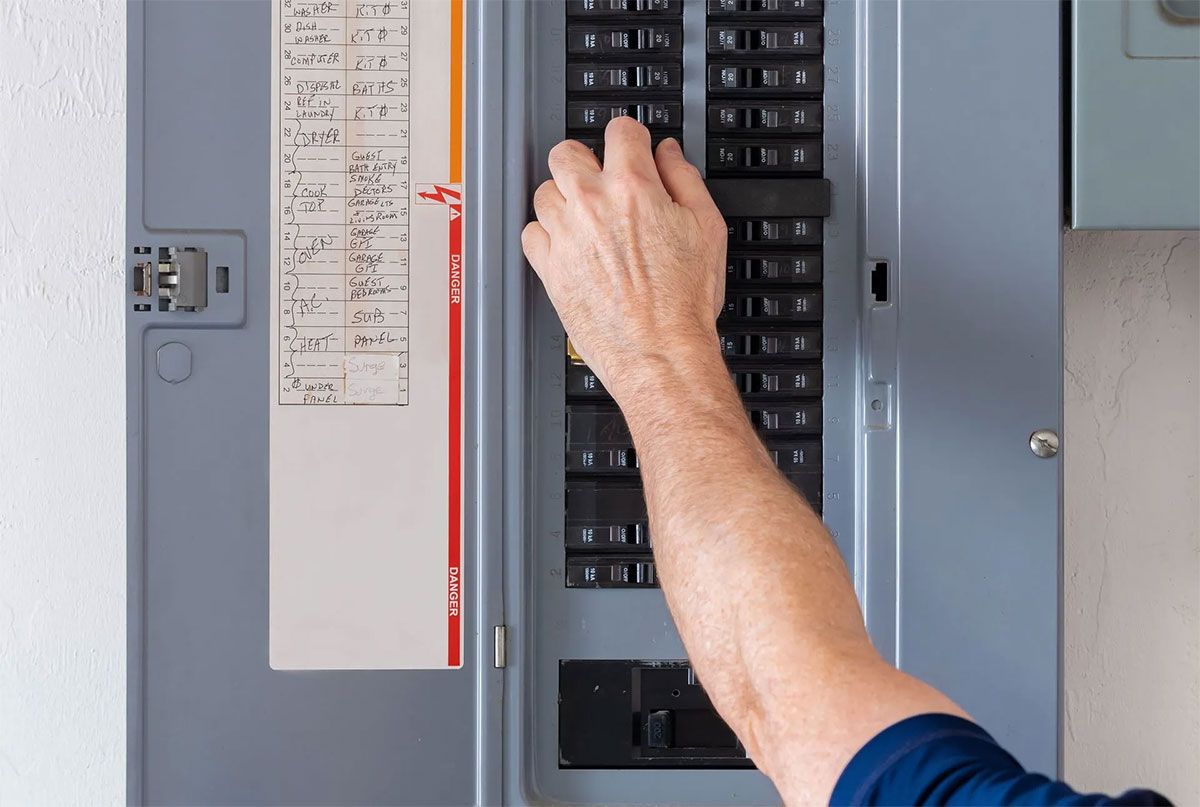
Circuit breaker trips are one of the most apparent signs of an overburdened electrical system. When a circuit breaker frequently trips, it signals that the system is being pushed beyond its capacity. This not only disrupts operations but also poses a fire risk due to potential overheating. Businesses experiencing this issue should consider reviewing their current electrical load against their infrastructure’s capacity with guidance from a commercial electrical contractor.
Hearing Unusual Noises From Electrical Panels
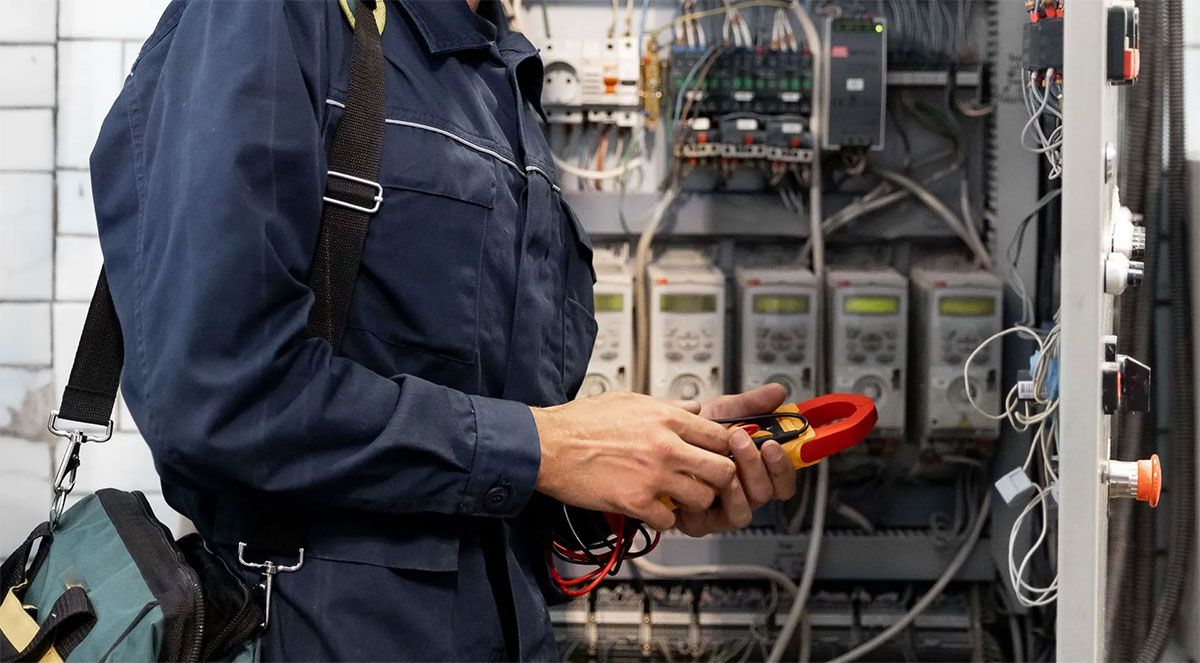
Unusual noises from electrical panels, such as buzzing or crackling, often indicate a malfunction or overload. These sounds are potential warnings of wiring issues, which, if unaddressed, can lead to severe electrical failures or fires. Promptly investigating and addressing these noises with a commercial electrical contractor can prevent costly damage and downtime. Regular maintenance checks by qualified electricians can identify early signs of trouble. A proactive approach ensures longevity and stability of the electrical infrastructure.
Experiencing Consistent Electrical Surges
Frequent electrical surges within a business can damage sensitive equipment and disrupt operations. Surges often arise from issues such as faulty wiring, power line damage, or excessive appliances drawing power simultaneously. To protect investments in technology, businesses should install surge protectors and assess whether a system upgrade is necessary. Keeping electrical infrastructure up-to-date reduces the long-term risks and extends equipment life. Surging less not only saves costs but also enhances reliability.
Evaluating Energy Consumption and Needs
Noticing Increasing Energy Bills
A sudden increase in energy bills can indicate inefficiencies within the electrical system. Energy consumption spikes without a noticeable change in business operations should prompt an audit of the system’s adequacy by a commercial electrical contractor. Replacing outdated systems with energy-efficient alternatives can lead to considerable savings. Detailed analysis of energy usage patterns helps pinpoint exact inefficiencies. Upgrading ensures alignment with modern energy demands and reduces operational expenses over time.
Identifying Inefficient Power Usage
Inefficient power usage is a critical sign that an electrical system may be outdated. This inefficiency often surfaces when systems are unable to manage increased demand effectively, leading to wasted energy. Implementing smart electrical management solutions can improve power utilization. Businesses need to be proactive in addressing inefficiencies to maintain competitiveness. Adopting energy-efficient systems aligns with sustainability goals and promotes responsible consumption.
Adding Additional Equipment and Devices
The growth of a business often necessitates the addition of new equipment and devices. However, existing electrical systems may not be configured to accommodate these changes. Evaluating the system’s current capacity against future needs helps in strategic planning for upgrades. Investing in scalable infrastructure is essential for accommodating technological advancements. This strategic foresight ensures the system grows in tandem with business development.
Facing Incompatibility With New Technologies
As technology evolves, businesses integrate more advanced equipment, which may be incompatible with older electrical systems. This incompatibility can cause inefficiencies and impair technological performance. For instance, according to the EIA, in 2024, computing (e.g., data centers) accounted for around 8% of commercial sector electricity consumption; though by 2050 this could rise to 20%. Ensuring electrical systems are compatible with new demands is critical. Upgrading can prevent bottlenecks and capitalize on technological innovations.
Analyzing Power Factor Concerns
A poor power factor not only affects the efficiency of electrical systems but can also incur additional utility charges. Identifying and addressing power factor issues involves engineering solutions, such as capacitor banks, which optimize efficiency. Analyzing power factor data helps businesses identify patterns of overuse and potential areas for system improvement. Investing in power correction strategies results in reduced energy wastage and cost savings. Businesses should regularly review their power factor to ensure peak performance.
Planning an Electrical System Audit
Engaging a Qualified Electrical Inspector
Engaging a qualified electrical inspector is an essential step in evaluating system adequacy. Experienced inspectors provide insights into existing issues and potential improvements, often in coordination with a commercial electrical contractor. Their expertise is invaluable in identifying hidden flaws and inefficiencies. Collaborating with inspectors ensures a comprehensive understanding of the system’s current state. Their guidance aids in making informed decisions for system upgrades.
Conducting a Thorough Inspection
A thorough inspection involves examining the entirety of the electrical infrastructure. Inspectors scrutinize wiring, hardware, and usage patterns to provide a complete overview. Understanding these details is crucial for identifying areas in need of upgrades. A meticulous inspection uncovers vulnerabilities that could affect long-term performance. Investing in regular, detailed inspections upholds safety and reliability standards.
Prioritizing Critical Needs and Repairs
Not all issues identified in an audit will carry the same urgency. Prioritizing critical repairs minimizes downtime and mitigates risks swiftly. Addressing the most pressing issues first secures a stable electrical foundation. Plan upgrades strategically, aligning with business cycles to minimize disruptions. A clear set of priorities stabilizes operations and sets the stage for subsequent enhancements.
Exploring Sustainable and Energy Efficient Solutions
Implementing LED Lighting Systems
Switching to LED lighting systems can profoundly impact energy consumption. LEDs offer longevity and efficiency far superior to traditional bulbs. Implementing LEDs represents a straightforward method of achieving immediate energy savings. Complementing upgrades with LED systems supports sustainability efforts. LEDs reduce costs, environmental footprint and enhance lighting quality across business operations.
Integrating Renewable Energy Sources
Integrating renewable energy sources can significantly reduce dependency on conventional power. Renewable systems like solar panels diminish carbon footprints and stabilize energy expenses. Businesses embracing these technologies position themselves as leaders in sustainability. The transition to renewables offers competitive advantages, enhancing market reputation. Systems designed to align with renewables support environmental objectives and operational resilience.
Using Smart Electrical Management Systems
Smart electrical management systems enable precise control over energy usage. These systems provide real-time insights to optimize consumption and reduce waste. AI-driven analytics supported by smart systems enhance operational efficiency. Combining system upgrades with intelligent solutions delivers maximum returns on investment. Businesses seeking cutting-edge technology can leverage these advances for superior performance.
Investing in Energy Star-rated Equipment
Energy Star-rated equipment represents an investment in long-term sustainability. These products meet stringent efficiency criteria, translating to tangible energy savings. Adopting Energy Star standards reduces overall consumption and aligns with eco-friendly objectives. These investments decrease operational costs while boosting equipment performance and lifespan. Energy Star initiatives represent responsible decision-making that fosters goodwill with stakeholders.
Strategizing Implementation of the Upgrade
Setting a Realistic Timeline
Setting a realistic timeline is critical for successful project management. Proper scheduling takes account of business cycles and potential disruptions. A clearly defined timeline sets expectations and aids in coordinating logistics. Flexibility within the timeline can account for unforeseen challenges. An organized approach ensures project completion without compromising core business functions.
Minimizing Business Interruptions
Minimizing business interruptions is essential during upgrades. Planning upgrades during off-peak hours or in phases can lessen disruptions. Keeping employees informed and involved in planning reduces resistance. Coordination with contractors on operational requirements ensures smooth transitions. Thoughtful scheduling helps maintain productivity and operational continuity.
Understanding when and how to upgrade your business’s electrical system can ensure efficient operations, safety, and compliance with regulations. Proactively addressing electrical system limitations can lead to cost savings, improved performance, and long-term sustainability. An investment in a robust electrical infrastructure is an investment in the future of your business. To take the next step, contact Slater Electric LLC to schedule a professional assessment with a trusted commercial electrical contractor and discuss reliable, scalable electrical solutions tailored to your commercial needs.