The Importance of Routine Commercial Electrical Maintenance
This is a subtitle for your new post
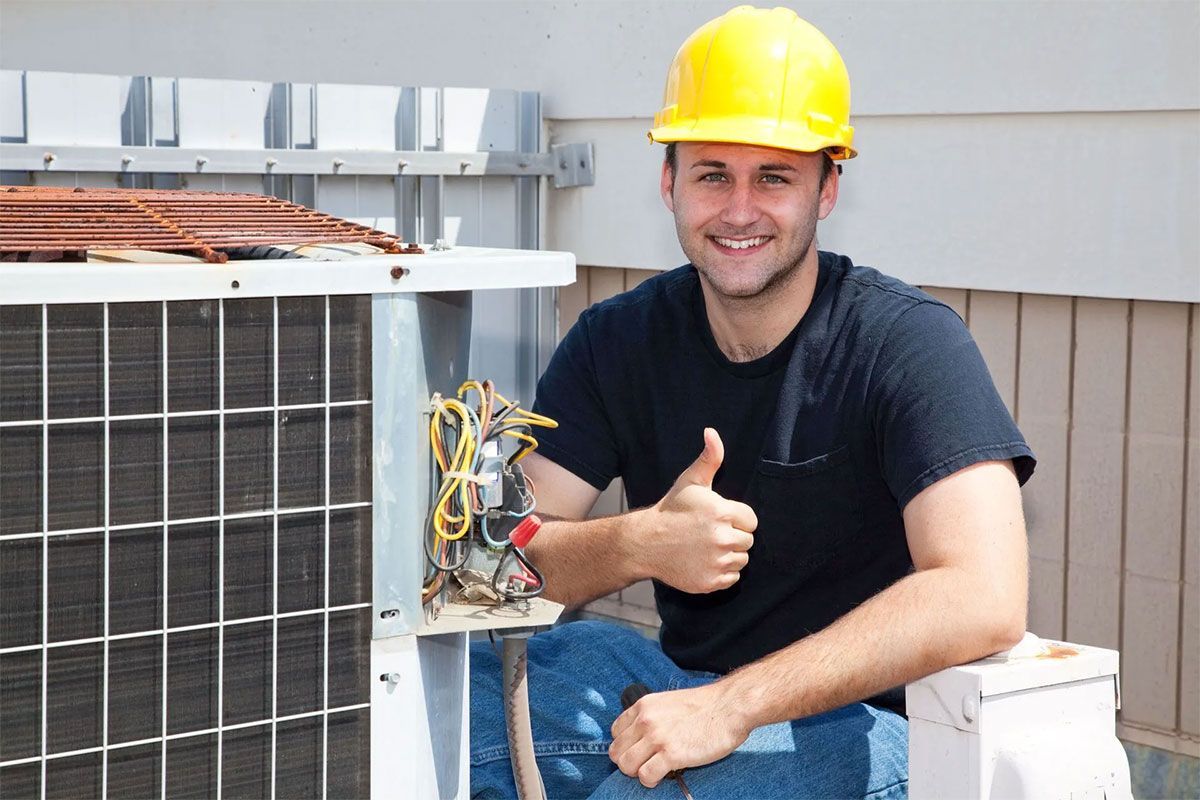
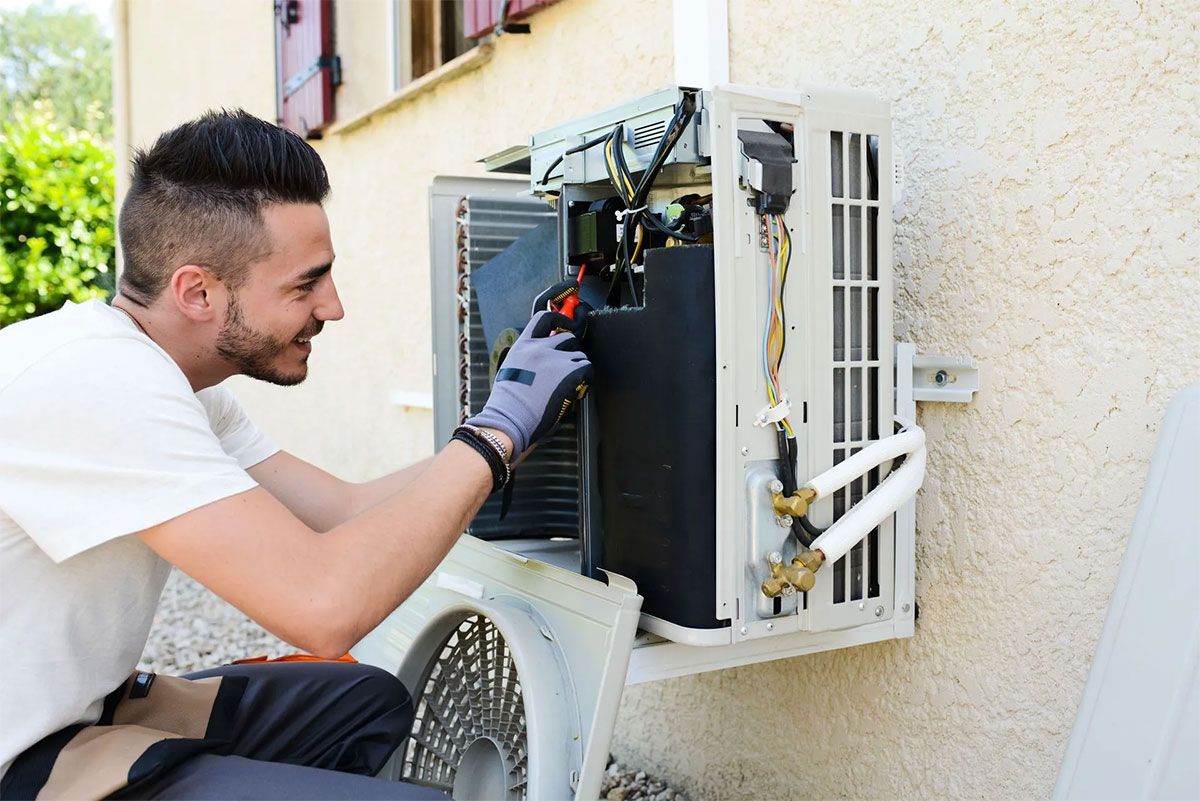
In a commercial setting, electrical systems work hard every day. Lighting, HVAC, refrigeration, IT equipment, machinery, access control, and safety systems all rely on steady power. When components are overlooked, small issues can lead to shutdowns, equipment damage, or safety concerns. Routine maintenance helps catch wear early and supports safer, more reliable operations. Partnering with a commercial electrician for scheduled checkups is a practical way to reduce disruptions and protect long-term performance. Even minor electrical failures can interrupt workflow, impact revenue, and create avoidable stress for employees and management.
Maintenance also provides consistency. As buildings evolve with tenant changes and equipment updates, a structured plan creates a clear baseline for system health and budgeting. Treating inspections as routine operations helps keep facilities productive and compliant year-round while giving decision-makers better insight into future upgrades. Consistent oversight also makes it easier to anticipate costs and avoid reactive, last-minute repairs.
Reducing Unexpected Downtime
Unplanned downtime can be costly for any business. A single electrical issue can shut down point-of-sale systems, stop production lines, disable security systems, or force employees to pause work until power is restored. Even brief outages can lead to missed sales and delays. Routine commercial electrical maintenance performed by a commercial electrician focuses on identifying early warning signs such as loose connections, overheating components, aging breakers, or overloaded circuits. Addressing these issues early helps maintain continuity and protect revenue.
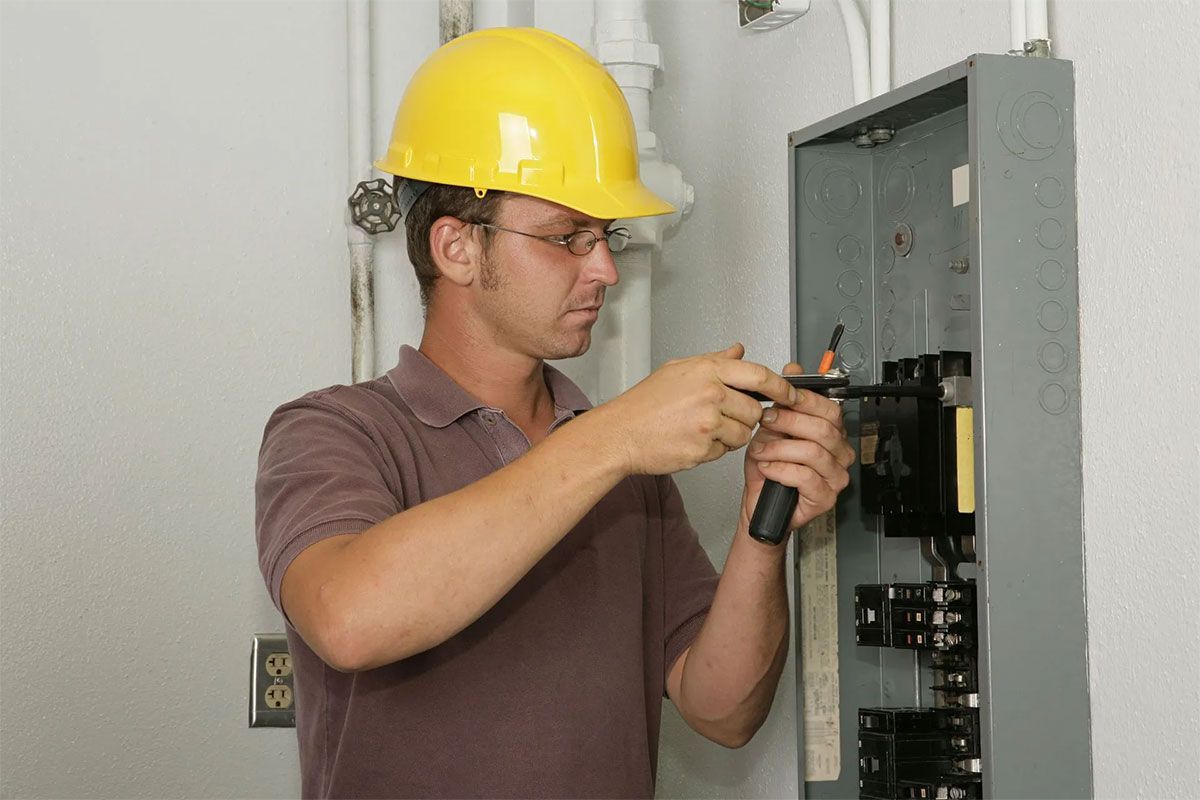
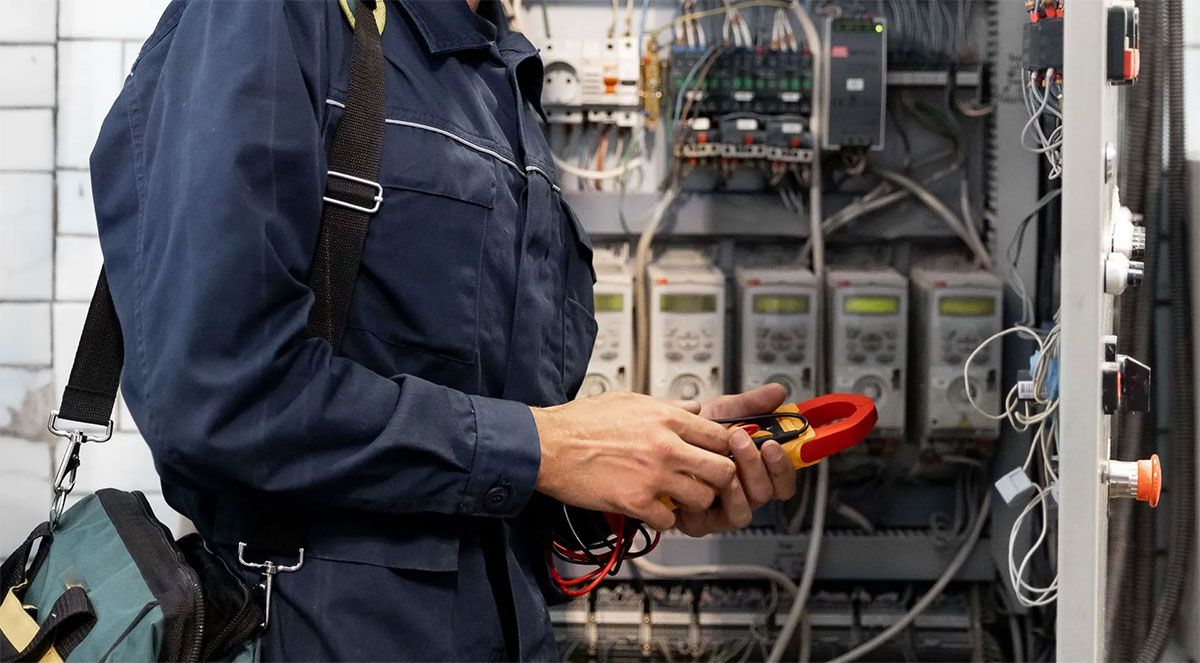
Many electrical problems develop gradually. Vibration from HVAC units or machinery can loosen panel terminations, and heat cycling can stress conductors and connections. During maintenance visits, technicians check torque values, look for signs of arcing, and confirm breakers and fuses match the load. These steps reduce the likelihood of sudden interruptions and allow repairs to be scheduled before problems escalate.
Downtime prevention also includes planning for peak seasons. Retail, restaurant, warehouse, and office spaces often experience changing load demands. Seasonal checkups support smoother transitions into higher-demand periods. When a commercial electrician reviews your system with these patterns in mind, you can make adjustments before the busiest weeks of the year and maintain consistent service levels.
Protecting People and Property
Electrical maintenance plays a key role in workplace safety. Commercial properties often have more complex systems than homes, with higher loads and specialized equipment. Without routine oversight, risks can increase, including shock hazards, arc flash exposure, and fire potential from overheating wires or failing components. Regular evaluations help identify issues before they threaten employees, visitors, or property.
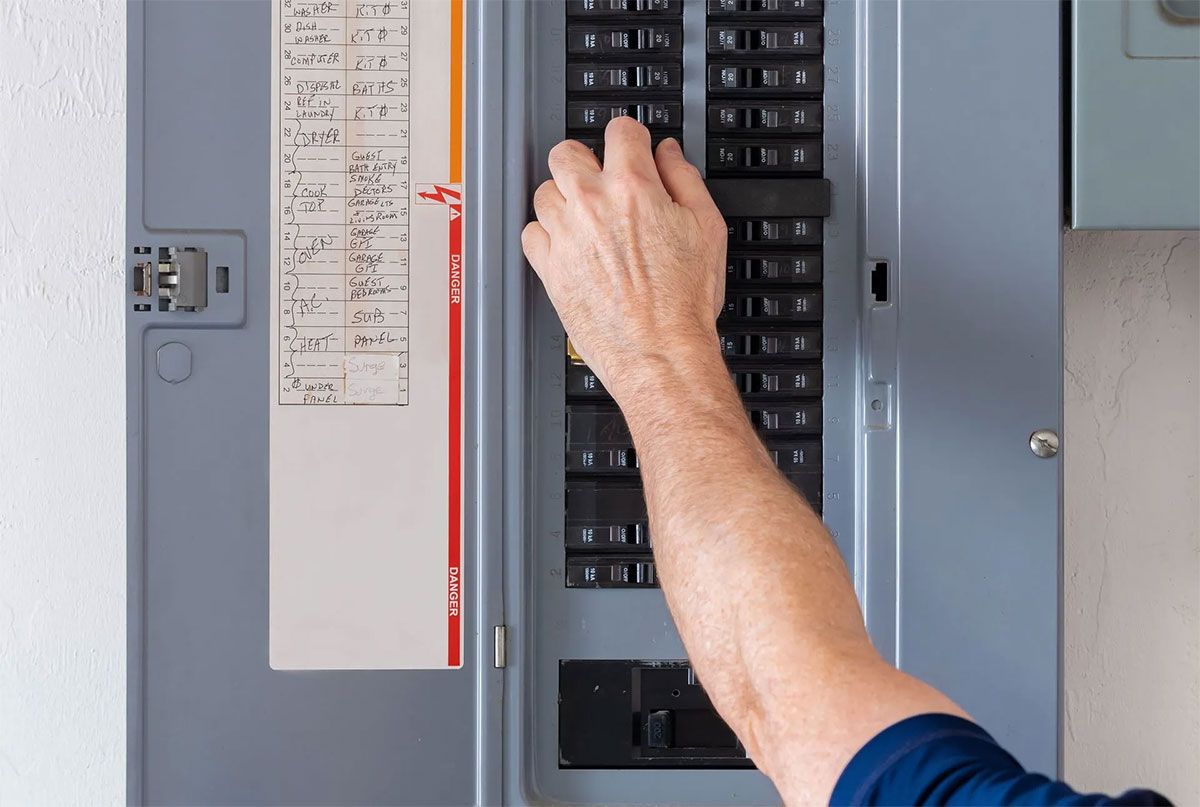
Safety-focused maintenance includes inspecting panel interiors for moisture or corrosion, confirming covers are secure, and verifying accurate labeling. Clear labeling helps staff isolate circuits quickly during emergencies. Maintenance may also involve checking emergency lighting, exit signage, fire alarm connections, and backup power systems. A qualified commercial electrician can identify subtle risks that might otherwise go unnoticed, strengthening overall preparedness.
Safety also depends on documentation and follow-through. Identified issues should be prioritized and resolved based on risk. Clear reporting helps track repairs and reduce repeat problems over time. Routine commercial electrical maintenance supports a safer environment and reinforces accountability across the facility.
Improving Energy Efficiency and System Performance
Energy use is a major expense in many commercial buildings. While lighting and HVAC upgrades receive attention, routine electrical maintenance also supports energy efficiency. Systems that are unbalanced, running at the wrong voltage, or operating with poor connections can waste energy and strain equipment. Even small inefficiencies can raise utility costs over time.
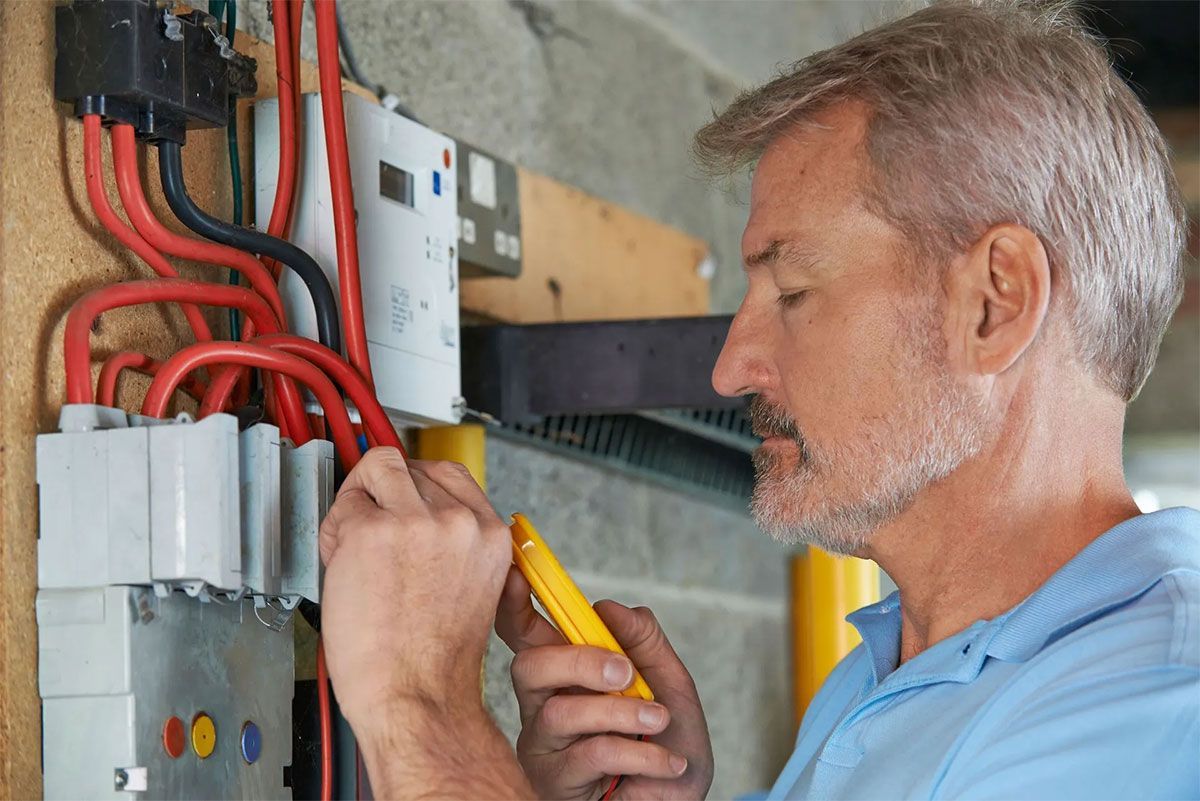
During maintenance, technicians check for hot spots, abnormal current draw, or voltage drops. They may also review circuit loads to determine whether panels need rebalancing. Stable electrical distribution helps equipment run smoothly, supports longer service life, and reduces performance issues that increase energy costs. Addressing inefficiencies early can also make operating expenses more predictable.
Maintenance also helps plan future upgrades. If a building is adding EV chargers, new equipment, or tenant improvements, a review can confirm available capacity and identify needed changes. Working with a commercial electrician during planning reduces guesswork and helps avoid costly mid-project adjustments.
Extending Equipment Lifespan and Reducing Repair Costs
Electrical systems include components that wear down over time. Breakers weaken, connections loosen, insulation degrades, and panels collect dust that affects heat dissipation. If left unchecked, the risk of failure increases and repairs become more costly, especially when damage spreads. Humidity, vibration, and fluctuating loads can accelerate wear, making regular oversight important.
Routine commercial electrical maintenance extends equipment lifespan by addressing issues early. Tightening connections and replacing worn components can prevent damage to motors, drives, and control boards. Preventive service reduces the risk of expensive failures and supports more reliable long-term performance.
Planned maintenance also supports budgeting. Instead of reacting to emergencies, owners can schedule repairs, compare options, and coordinate work efficiently. Over time, this approach lowers total ownership costs and keeps equipment operating at a consistent standard.
Meeting Codes, Standards, and Insurance Expectations
Commercial properties must meet safety codes, operational standards, and risk management expectations. Requirements vary by building type and occupancy. Routine maintenance supports compliance by keeping electrical systems aligned with current standards and creating clear records of oversight. Proactive inspections help reduce violations, fines, and last-minute corrective work.
Inspections verify proper panel labeling, required clearances, and appropriate use of electrical rooms. Blocked access can delay emergency response and create compliance issues. Maintenance can also identify unauthorized modifications such as overloaded power strips or undocumented circuit additions. According to SourceOnePropertyManagement.com, commercial buildings should schedule electrical panel maintenance checks at least twice a year.
Consistent maintenance supports safer operations and simplifies communication with insurers and auditors. Documentation shows what was repaired and how recurring issues were addressed. A commercial electrician can review findings and recommend next steps based on your building’s load and usage needs.
Supporting Business Growth and Future Upgrades
Businesses often change faster than their buildings. New equipment, layout updates, and increased technology demands can strain existing systems. Without a maintenance plan, these changes may result in mismatched circuits or unclear capacity limits. Routine maintenance provides a clearer understanding of system capabilities before expansion.
As businesses grow, added workstations or higher-capacity equipment can overload older panels. Maintenance visits allow technicians to review load profiles, identify circuits near capacity, and determine whether upgrades are needed. This planning reduces the risk of tripped breakers and repeated service calls.
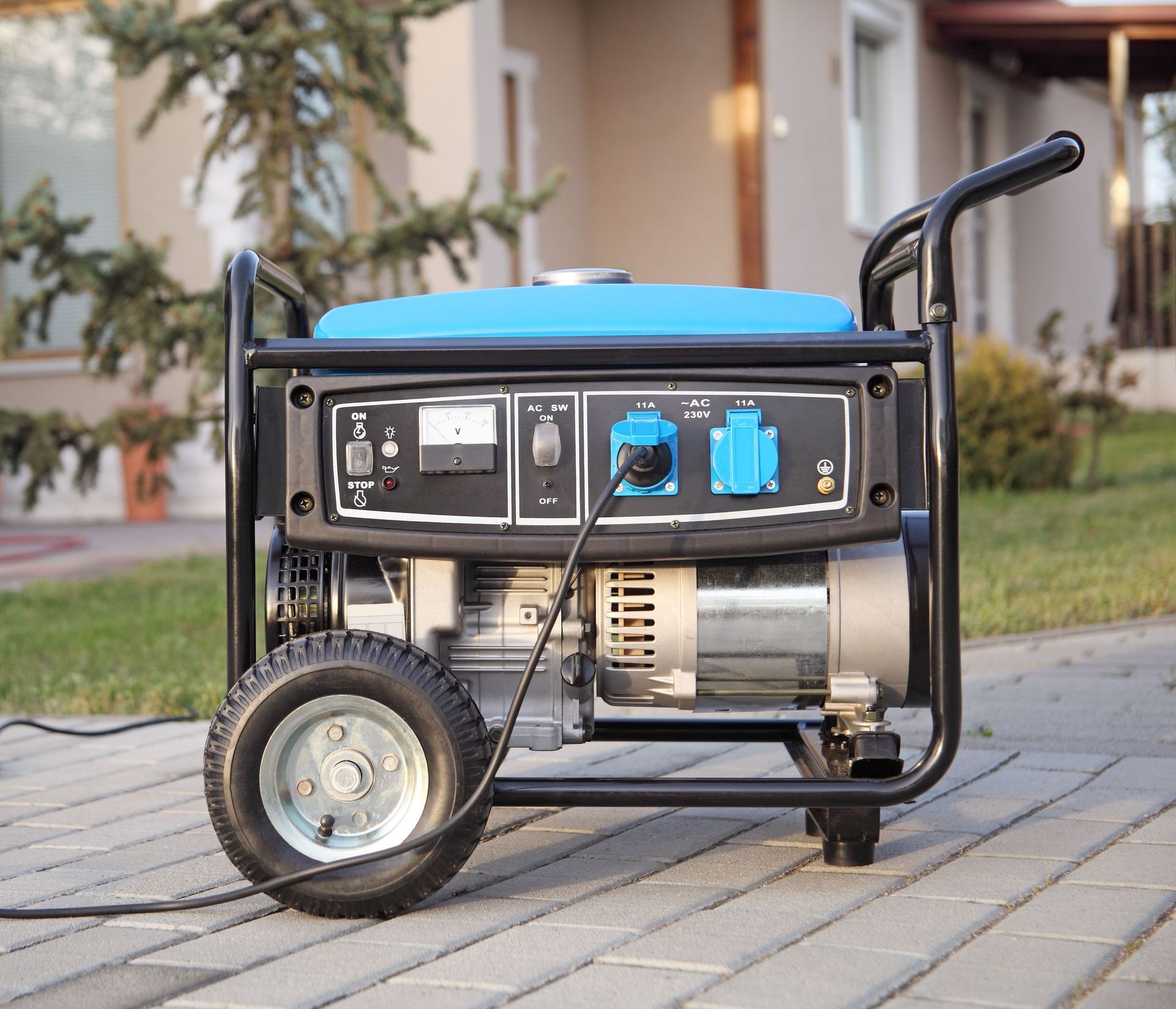
Future planning may also include backup power, surge protection, or improved grounding. Maintenance reviews help determine whether these upgrades are appropriate and how to prioritize them. A documented system baseline makes improvements easier to scope and budget.
Strengthening Maintenance Routines and On-Site Practices
Electrical maintenance works best alongside good on-site practices. This includes keeping electrical rooms clean and accessible, avoiding the permanent use of temporary wiring, and training staff to report warning signs. Flickering lights, unusual odors, warm outlets, or repeated breaker trips may indicate underlying issues. Facility managers can improve outcomes by keeping basic records, such as recent inspections and recurring concerns. This helps technicians troubleshoot efficiently and supports continuity when staffing or vendors change.
A recurring schedule promotes consistency. Comparing findings over time can reveal patterns, such as connections loosening due to vibration or load changes. Coordinating routine service with a commercial electrician helps prioritize improvements throughout the year.
Routine commercial electrical maintenance is an ongoing investment in safety and reliability. It reduces downtime, supports efficiency, and simplifies future planning. To develop a maintenance plan for your facility, contact Slater Electric LLC to schedule an assessment with a commercial electrician.