How Preventative Maintenance Extends Electrical System Life
This is a subtitle for your new post
Preventive maintenance plays a central role in extending the lifespan of electrical systems while supporting consistent performance and safety. Rather than waiting for systems to fail, this proactive approach focuses on routine inspections, testing, and adjustments that address small issues before they grow into larger problems. Businesses across industries depend on reliable electrical infrastructure, making ongoing care a practical necessity rather than an optional task. With a structured maintenance plan in place, organizations can reduce disruptions, maintain steady operations, and protect valuable equipment over time.
A well-planned maintenance strategy also contributes to financial stability by limiting costly emergency repairs and unexpected downtime. Electrical systems are complex, and even minor faults can create ripple effects throughout operations. Incorporating professional electrical services into a maintenance plan helps identify hidden concerns early and supports long-term system health. By taking action today, organizations position themselves to avoid larger complications tomorrow while maintaining a safer and more efficient working environment.
Defining Preventive Maintenance Goals
Preventive maintenance is built on the idea of scheduled care designed to keep systems functioning at their best. This approach includes inspections, testing, and minor repairs performed at regular intervals to reduce the likelihood of unexpected failures. In electrical environments, these efforts focus on identifying wear, loose connections, or environmental factors that could affect performance. Establishing clear goals helps organizations align maintenance tasks with operational priorities while maintaining consistency across all activities.
One of the primary objectives of preventative maintenance is to improve system reliability. When electrical components are monitored and serviced regularly, they are less likely to fail without warning. This consistency supports daily operations and reduces the risk of costly interruptions. In addition, proactive care contributes to safer working conditions by identifying potential hazards before they escalate into dangerous situations.
Another important goal is cost management. While maintenance requires an upfront investment, it often leads to significant savings over time. Partnering with providers of electrical services allows organizations to create structured maintenance schedules that address system needs without unnecessary spending. This balance between performance and cost efficiency is a key advantage of adopting a preventative approach.
Exploring Types of Maintenance Strategies
Different maintenance strategies work together to create a comprehensive system of care. Scheduled maintenance is one of the most common methods, involving routine inspections performed at predetermined intervals. These inspections focus on identifying visible signs of wear or damage, allowing technicians to address issues early. This structured approach provides consistency and reduces the likelihood of overlooked problems.
Condition-based maintenance adds another layer of precision by using real-time data to determine when service is needed. Sensors and monitoring tools track system performance, alerting technicians when certain thresholds are reached. This method allows organizations to respond to actual conditions rather than relying solely on timelines, making maintenance efforts more targeted and efficient.
Predictive maintenance takes things further by analyzing data trends to forecast potential failures. Advanced analytics help identify patterns that indicate when components may begin to fail, allowing maintenance teams to act before problems occur. Integrating these strategies into electrical services creates a well-rounded maintenance framework that supports both immediate needs and long-term system health.
Comparing Preventive and Reactive Approaches
Reactive maintenance focuses on addressing problems after they occur, often leading to higher costs and unexpected downtime. In contrast, preventative maintenance aims to reduce these risks by identifying and resolving issues early. This shift from reaction to prevention allows organizations to maintain greater control over their operations and avoid disruptions that can impact productivity.
One of the most significant advantages of a preventative approach is the reduction in emergency repairs. Unexpected failures often require immediate attention, which can lead to higher labor costs and extended downtime. By incorporating routine electrical services, businesses can minimize these scenarios and maintain a more predictable maintenance schedule.
Safety is another critical factor. According to EDElectrical518.com, each year, electrical system failures ignite over 50,000 fires. This statistic highlights the real risks associated with neglected systems and emphasizes the importance of consistent maintenance practices. Addressing potential issues early not only protects equipment but also reduces the likelihood of dangerous incidents that could impact people and property.
Strengthening System Performance and Longevity
Regular maintenance directly contributes to improved system performance by keeping all components in optimal condition. When electrical systems are inspected and serviced consistently, they operate more efficiently and experience fewer interruptions. This steady performance supports productivity and helps organizations avoid the challenges associated with inconsistent power or equipment failures.
Preventive maintenance also plays a major role in extending the lifespan of electrical components. By addressing wear and tear early, organizations can delay the need for replacements and reduce long-term capital expenses. This extended lifespan allows businesses to maximize the value of their existing infrastructure while planning for future upgrades on their own timeline.
Applying Maintenance Techniques
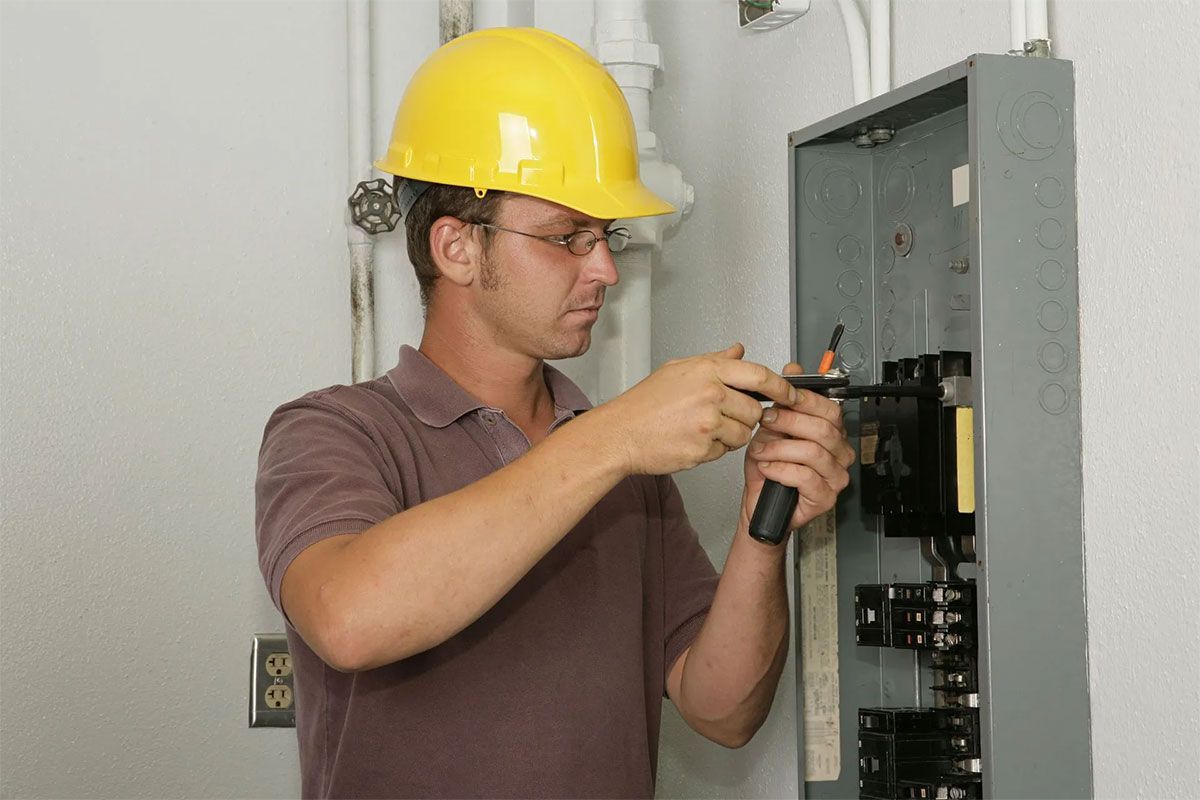
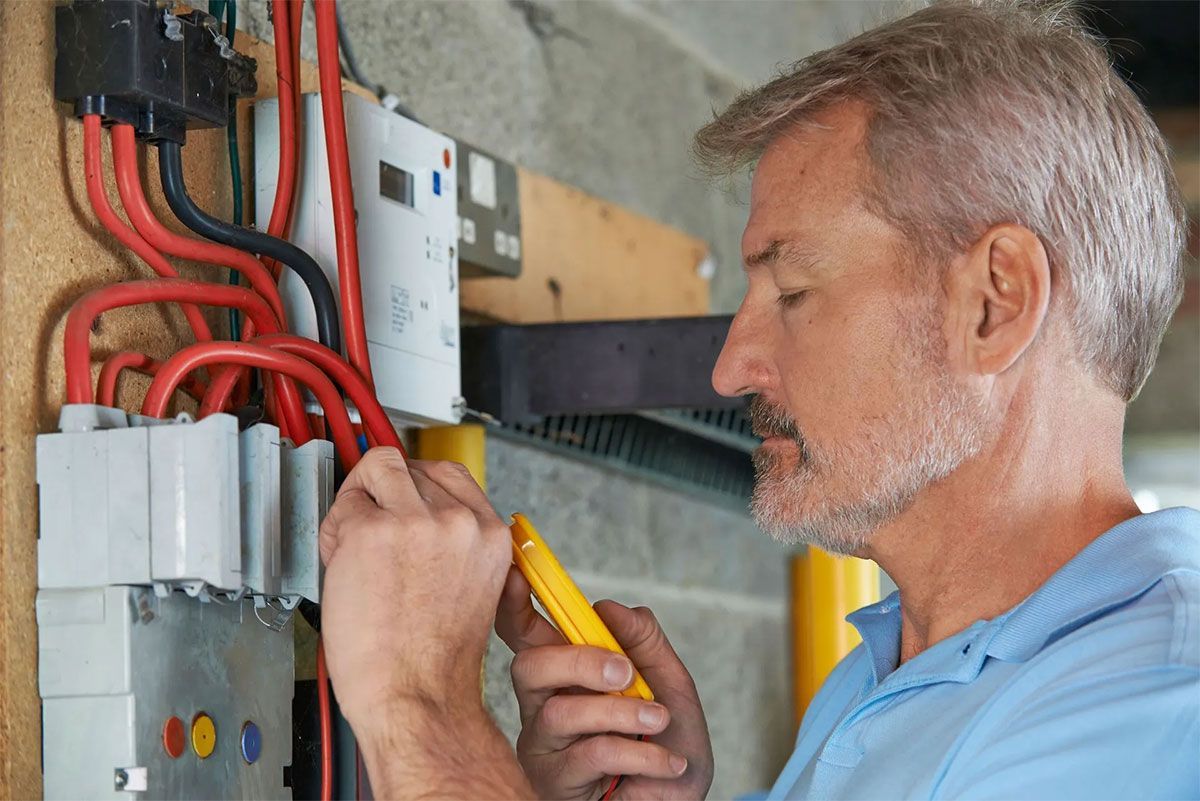
Routine inspections form the foundation of any effective maintenance program. During these inspections, technicians evaluate system components, check for signs of damage, and verify that all connections are secure. These regular evaluations provide valuable insight into system health and allow for early intervention when issues are detected.
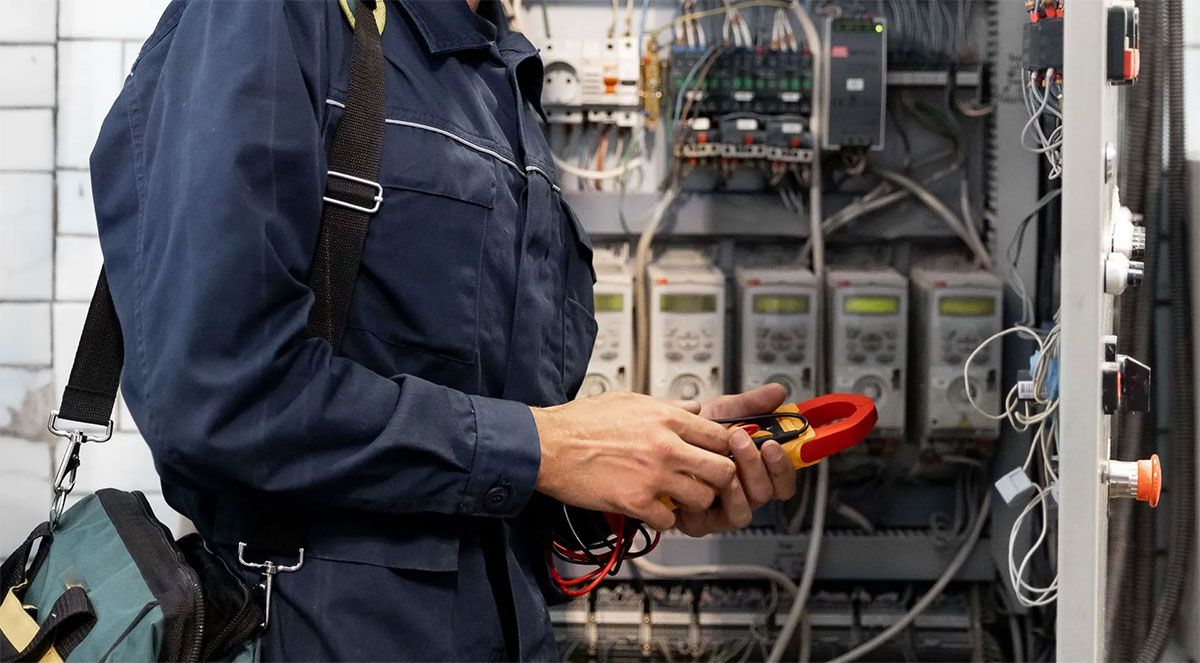
Advanced diagnostic tools such as thermal imaging and ultrasonic analysis enhance the accuracy of maintenance efforts. Thermal imaging identifies temperature variations that may indicate overheating or electrical faults, while ultrasonic tools detect issues like arcing or discharge. These technologies allow maintenance teams to identify hidden problems that might not be visible during standard inspections.
Building an Effective Maintenance Plan
Creating a successful maintenance plan begins with a thorough assessment of existing systems. This evaluation identifies key components, current conditions, and potential areas of concern. With this information, organizations can develop targeted strategies that address their specific needs and operational goals.
Resource allocation is another critical aspect of implementation. Maintenance programs require skilled personnel, appropriate tools, and a clear schedule to function effectively. Balancing these elements allows organizations to perform maintenance tasks without disrupting daily operations. Working with experienced providers of electrical services can help streamline this process and improve overall efficiency.
Integrating Technology into Maintenance Practices
Modern technology has transformed the way maintenance is performed, offering new tools and insights that improve accuracy and efficiency. IoT devices and smart sensors provide real-time data on system performance, allowing maintenance teams to monitor conditions continuously. This visibility helps identify issues early and supports more informed decision-making.
Artificial intelligence and predictive analytics further enhance maintenance capabilities by analyzing large volumes of data. These tools identify patterns that may indicate future failures, allowing organizations to take proactive steps before problems arise. Integrating these technologies into electrical services creates a more responsive and efficient maintenance framework.
Preventive maintenance is a powerful strategy for extending the life of electrical systems while supporting consistent performance and safety. By focusing on proactive care, organizations can reduce unexpected failures, manage costs more effectively, and create a safer environment for both employees and equipment. From routine inspections to advanced monitoring technologies, each element of a maintenance plan contributes to long-term system reliability and operational success.
Taking the next step toward a structured maintenance approach can make a significant difference in how electrical systems perform over time. Whether upgrading current practices or building a plan from the ground up, incorporating professional
electrical services can help create a more efficient and dependable infrastructure. Reach out to Slater Electric LLC to evaluate your current systems today and take action toward a maintenance strategy that supports lasting performance and stability.